How often do we underestimate existing structures?
Long before embodied carbon became a headline issue, the value of reuse was already clear. Now that the conversation has matured, long-held assumptions have continued to fall away. New-build is no longer the default, and adaptation often delivers better outcomes.
Rethinking What We Already Have
A retrofit-first approach avoids unnecessary demolition, reduces waste and can deliver cost-effective outcomes while maintaining character. But it isn’t simple. Existing buildings are complex. They come with constraints, unknowns and historic fabric that needs to be understood, not overridden.
Why Retrofit First?
For nearly five decades, we’ve worked with historic and listed buildings of all shapes and sizes, including private houses, colleges, and national museums. The challenge is the same: make the most of what’s already there. That might mean proving the capacity of existing structures, upgrading performance, or threading new services through old fabric without diminishing what makes it valuable.
Experience Matters
Discussions around whole life carbon must start early. Thinking about this from the first stages of design allows for meaningful comparison between retrofit and rebuild options, when decisions about internal layouts, materials and connections have the greatest impact.
|
Whole Life Carbon Starts Early The key to low embodied carbon projects is minimising the amount of new material introduced and making the most of what you’ve already got. That means structures that work harder, efficient use of materials, and timber where appropriate. It also means thinking beyond completion, to adaptability, maintenance and eventual deconstruction. |
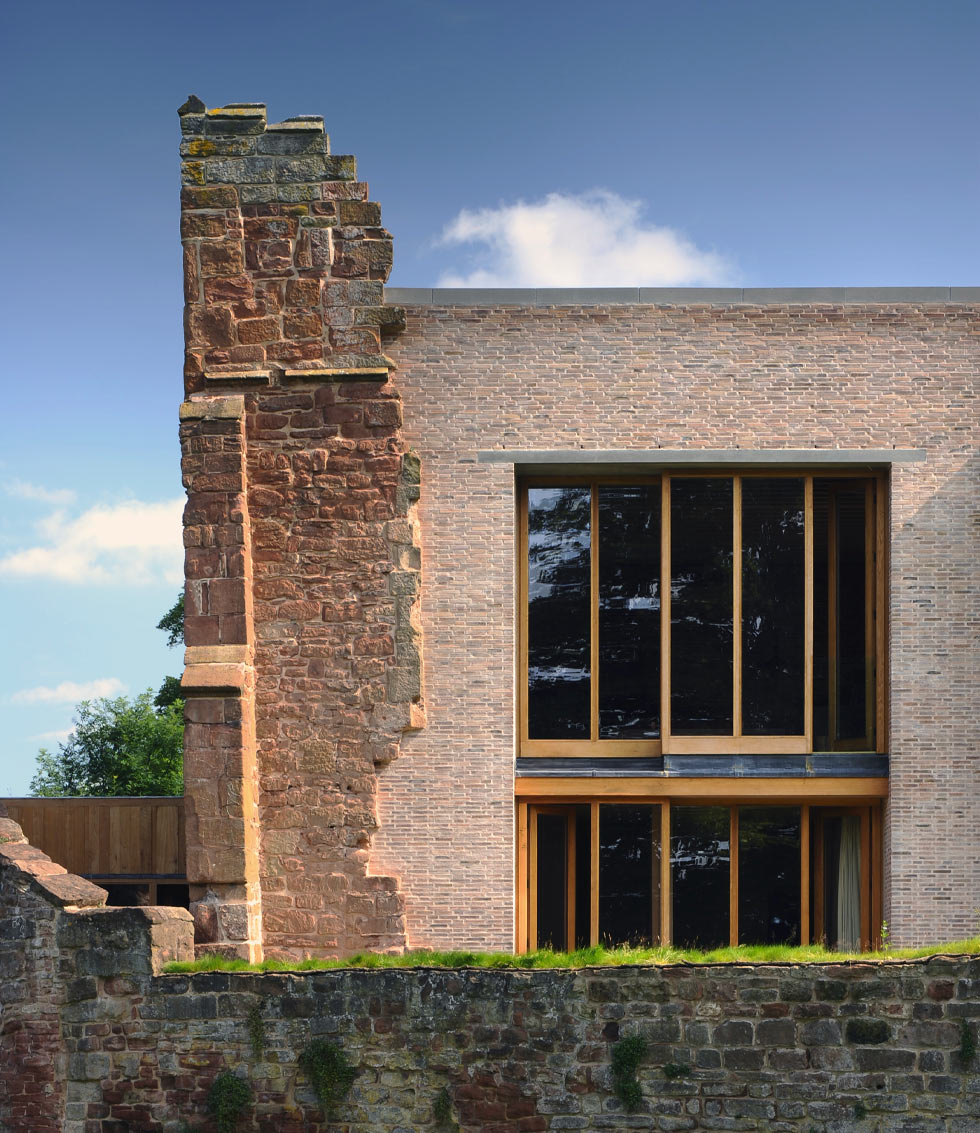
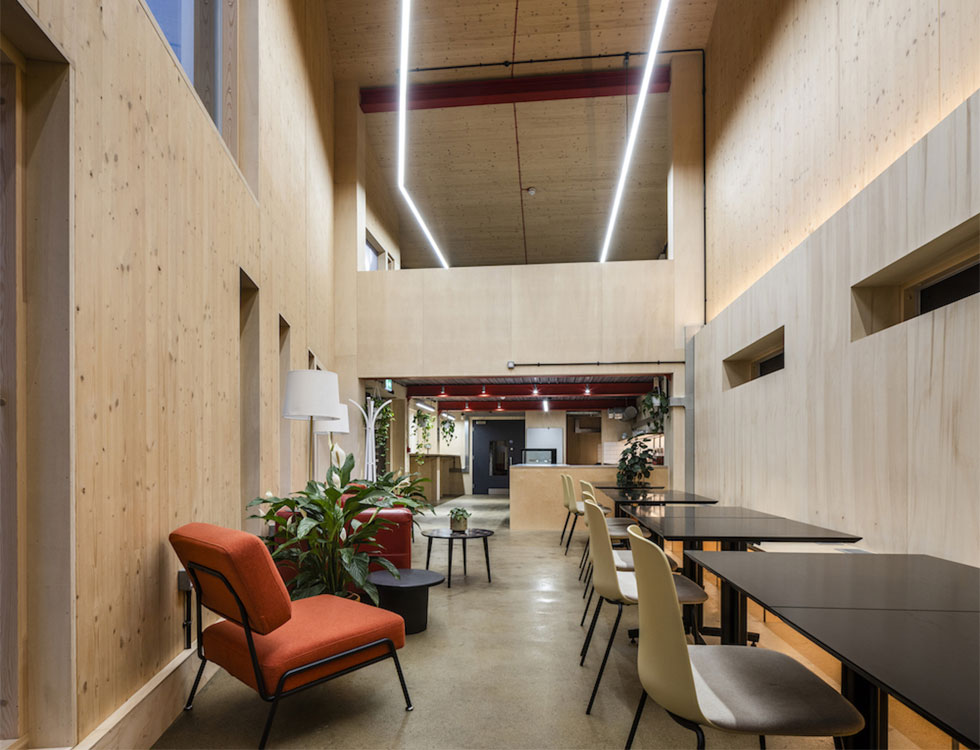
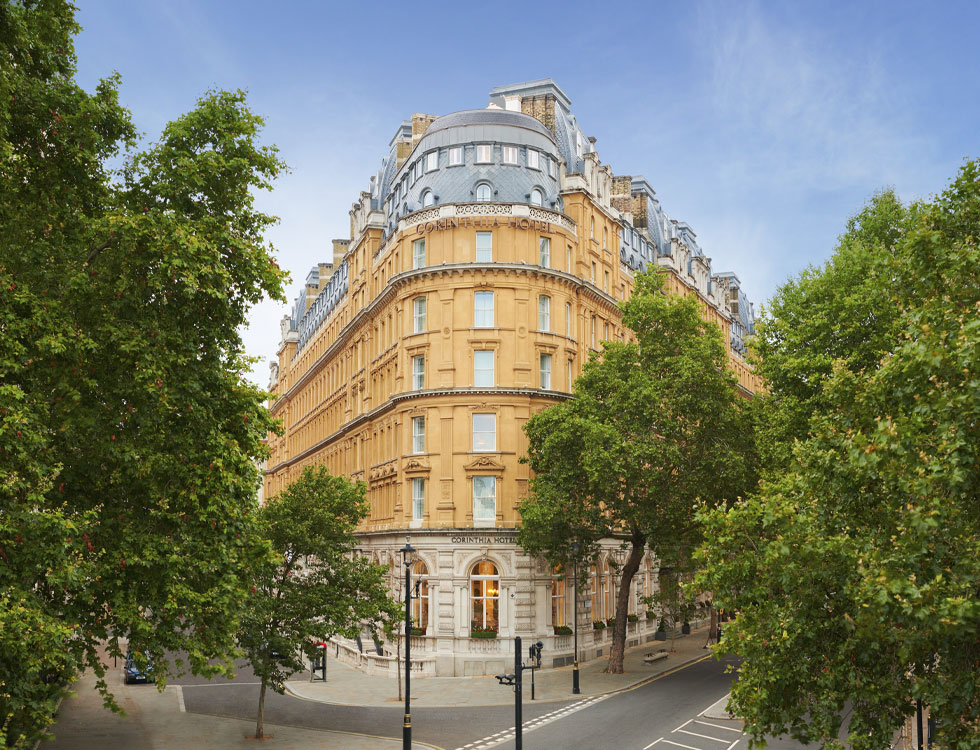
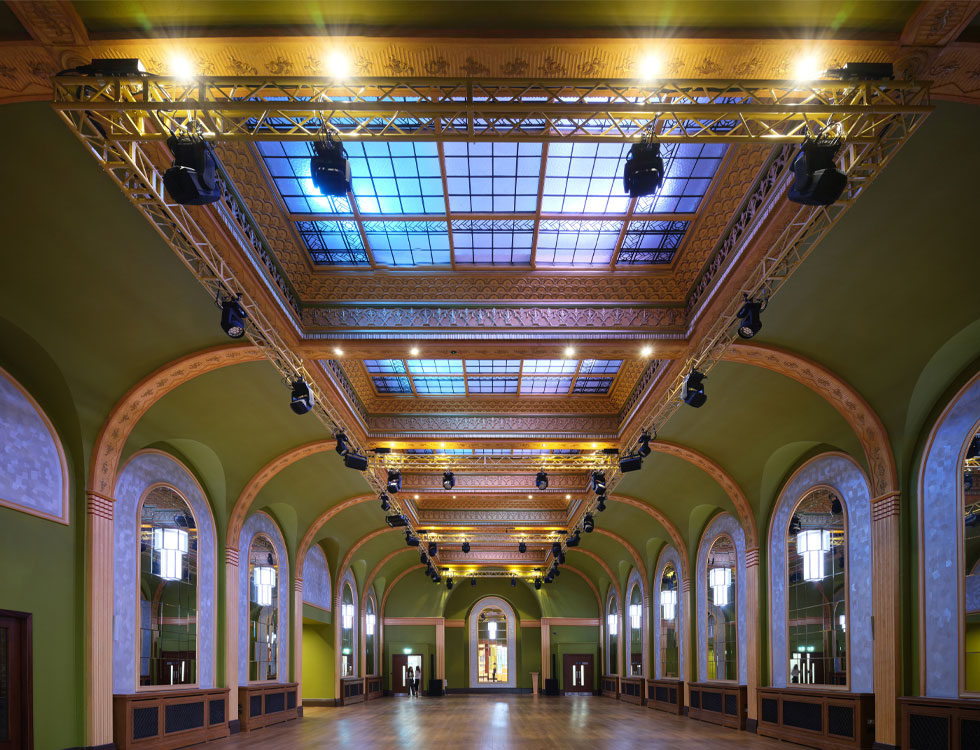
Photo credits:
1 - Astley Castle © Philip Vile
2 - Fashioning Poplar © Anthony Coleman
3 - Corinthia Hotel © Corinthia Hotel
4 - Bradford Live © Philip Vile