By Sarah Baigent, Structural Engineer, Price & Myers
A couple of weeks ago, I received an invite to the Max Fordham International Women in Engineering Day event. Immediately, I turned to my boss at the desk next to mine and told him we should host one too. Admittedly, this idea arrived at the same time as a fairly pressing project deadline, so the timing was not exactly ideal, but as a practice with a high proportion of women, it felt important to mark the occasion.
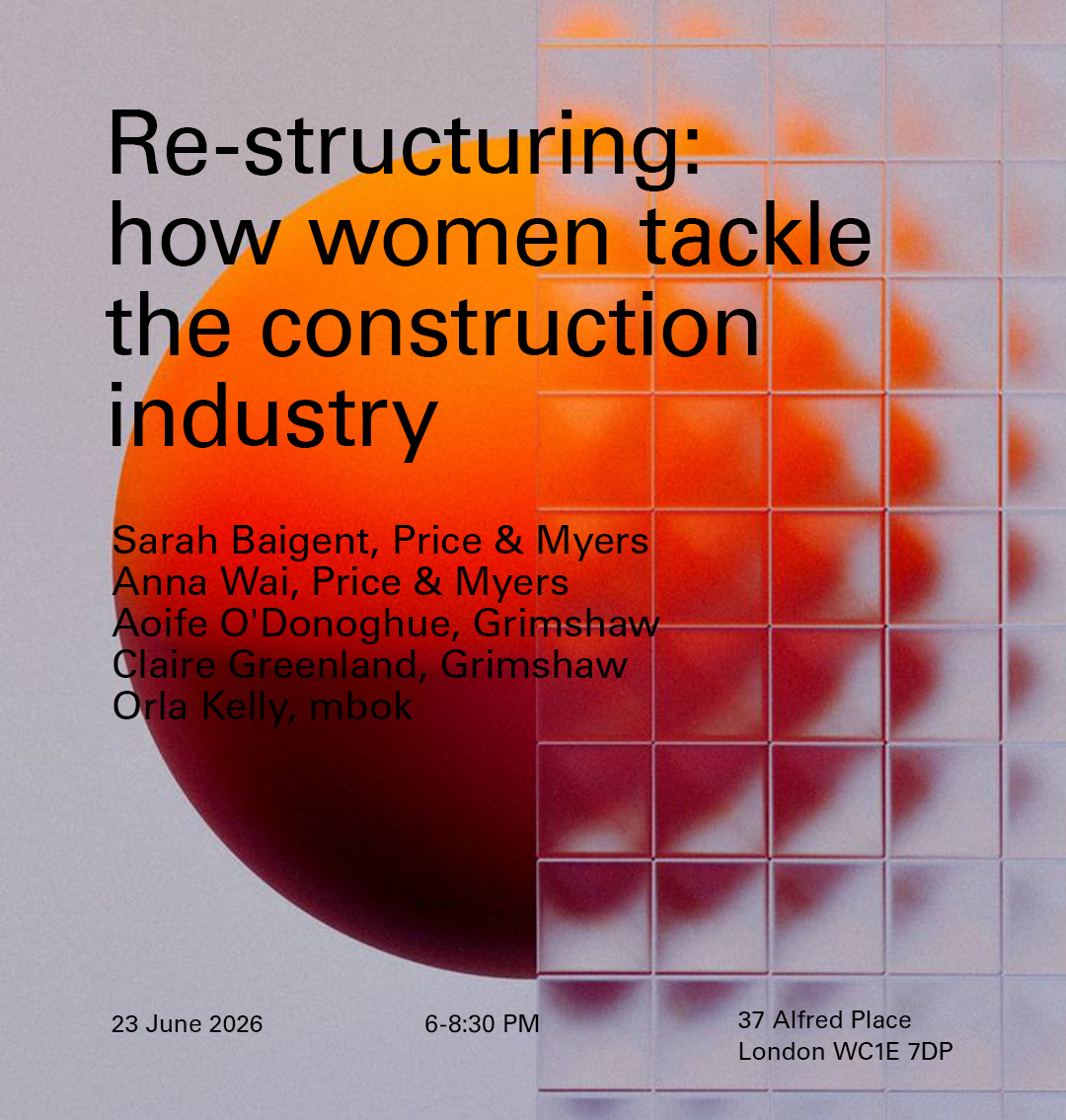
The appetite for the conversation was obvious almost immediately. With just a week’s notice, we hoped for perhaps 30 people. Instead, the event was fully booked within two days, and in the end, we welcomed nearly 70 people into the Price & Myers office.
That response says a lot. International Women in Engineering Day is a moment to celebrate the achievements of women in the profession, but it is also a useful prompt to talk honestly about what still needs to change. Women remain significantly underrepresented in engineering and technology roles in the UK. Recent Engineering UK data shows women make up around 17% of the engineering and technology workforce, and The Engineering Council has highlighted a concerning mid-career drop-off - registration data shows the average age at which women leave the profession is 44, compared with 60 for men.
Those numbers can feel stark, but the evening was not about doom and gloom. It was about opening up the conversation, sharing what different practices are trying, and hearing from people who have built careers in the industry in very different ways.
The event was introduced by Luke Spence, one of the Partners at Price & Myers, who shared some of our own numbers. Women make up around 37% of our engineers, associates and partners, and looking specifically at engineer-level roles, that figure sits just under 50% - which feels like an encouraging sign of where things are at entry and mid-career level. The challenge is that as careers progress, the balance becomes less even, with women currently holding around 20% of senior roles.
He discussed how a lot of emphasis at P&M is therefore placed on making the practice an inviting and supportive place to work. He noted that retention and progression matter just as much as recruitment, which means thinking carefully about the day-to-day culture of the practice and whether it is somewhere people genuinely want to stay and grow. Part of that is recognising that not everyone connects in the same way. This also means thinking beyond the classic socials of pub trips or five-a-side football - yoga, stitch and sip, netball, running, cycling, and yes, still the occasional trip to the pub for those who want it.
We then turned to the panellists. To try and capture all of the interesting discussions from the evening, I have expanded upon the presentations to include some of the discussions we had in the run up to the event, as well as those had with attendees afterwards.
Embedding inclusion: Aoife O'Donoghue and Claire Greenland, Grimshaw
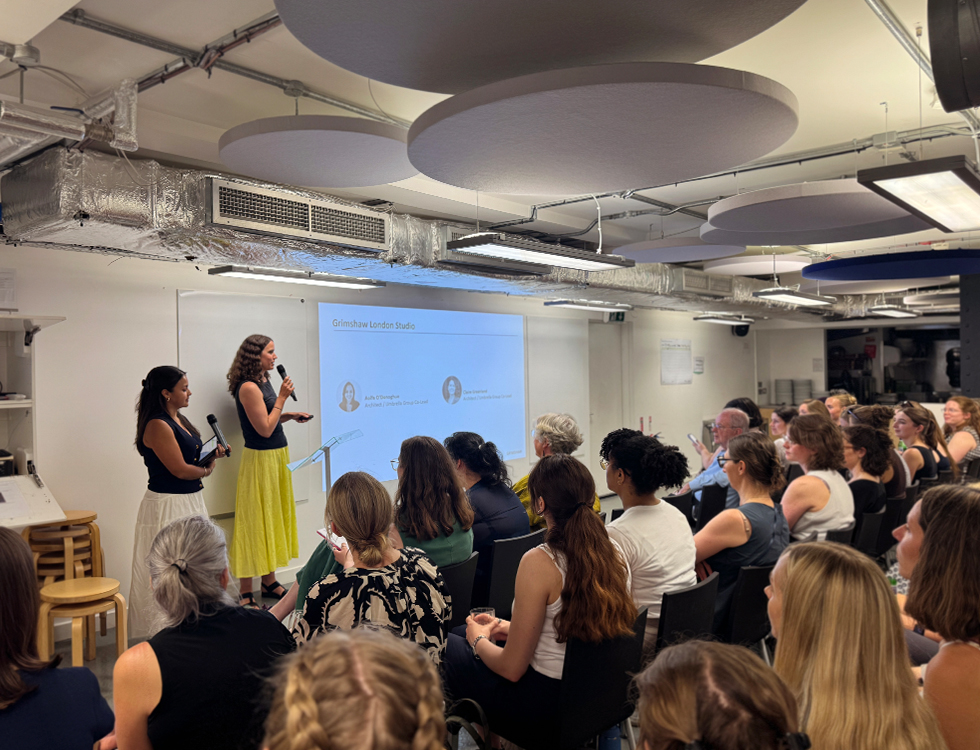
First up were Aoife O’Donoghue and Claire Greenland, both Architects and champions of the Equity, Diversity, and Inclusion group at Grimshaw. They opened by sharing the work being done within Grimshaw London to embed inclusion and equity more deliberately into the practice. Following conversations across the wider industry - including those around the Fawcett Society report - they spoke about moving beyond good intentions and into more structured action.
Their internal umbrella group has helped drive initiatives such as diversity week, CPDs, formal training and external networking. They also spoke about the importance of embedding inclusion into regional business plans and studio policies, rather than leaving it as something that happens only because a few committed people are willing to give up their spare time.
Several themes stood out: transparency around salary bands and career progression, meaningful support for flexible working and parental leave, and the need to promote positive behaviours and allyship. They also discussed that different practices have different resources, and what is possible in a large practice may look different in a smaller one. The underlying message, though, was simple: inclusion works best when it is baked into how a business runs, not as an optional extra.
Building a career on your own terms: Orla Kelly, mbok consulting
Next, we heard from Orla Kelly, founder of mbok consulting structural engineers, who took us through a career spanning almost 40 years. She began by studying architecture at University College Dublin before switching to engineering, and described joining a world where, at university, women were present in reasonable numbers, and she did not initially feel out of place. Her career later brought her to London, where she worked on a wide range of projects, including early structural glass work before there was really a code for it.
She also spoke about moving to Price & Myers before having children, and about the flexibility that was discussed when returning from maternity leave at a time when that was far less common. Orla and her husband, who is also an engineer, decided instead to set up on their own in 1994. At the time, Orla knew of no other female founding partners in the industry, and she felt it was important to have her full name visible in the company title.
Looking back, she described the decision with humour as perhaps a little naïve: a plan sketched out on the back of an envelope with a few architects they hoped might work with them. Thankfully, it worked, and the practice grew and flourished over the next 30 years. What came through most strongly was the importance of shaping a business and a life that worked for them - sharing childcare equally and being able, as business owners, to say no when needed.
One of her most important observations was about the way childcare costs are discussed. Too often, they are weighed against the mother’s salary alone, rather than considered as part of a household’s shared income and decision-making. It is also a long-term investment in the value (financial or otherwise) of enabling both partners to have longer term careers after initial intensive childcare years. It was one of those points that felt both obvious and, unfortunately, still very necessary.
Orla closed by reiterating that construction is a small world - you will meet the same people again and again, and you can build brilliant friendships along the way. Finding support, whether from a partner, colleagues, friends or wider networks, makes a real difference.
Saying yes: Anna Wai, Price & Myers
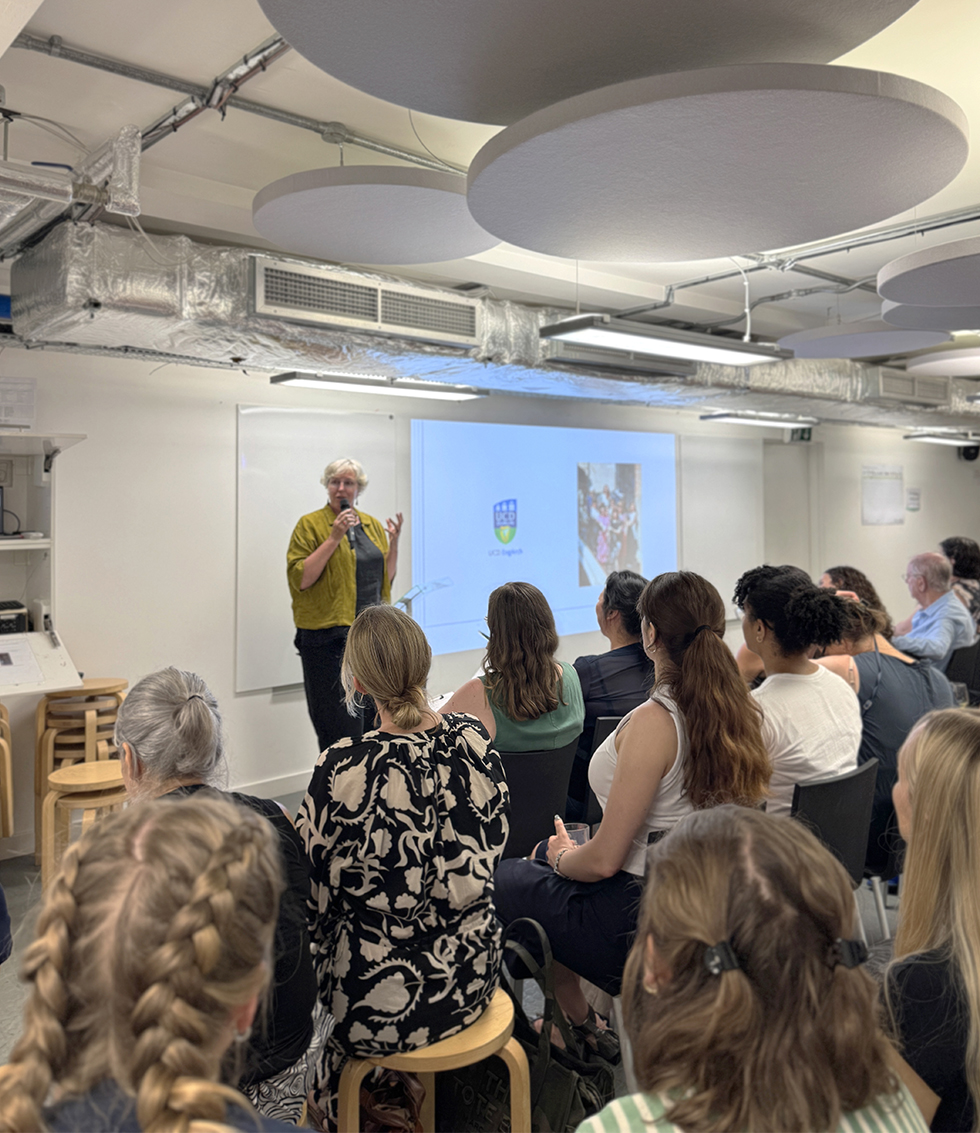
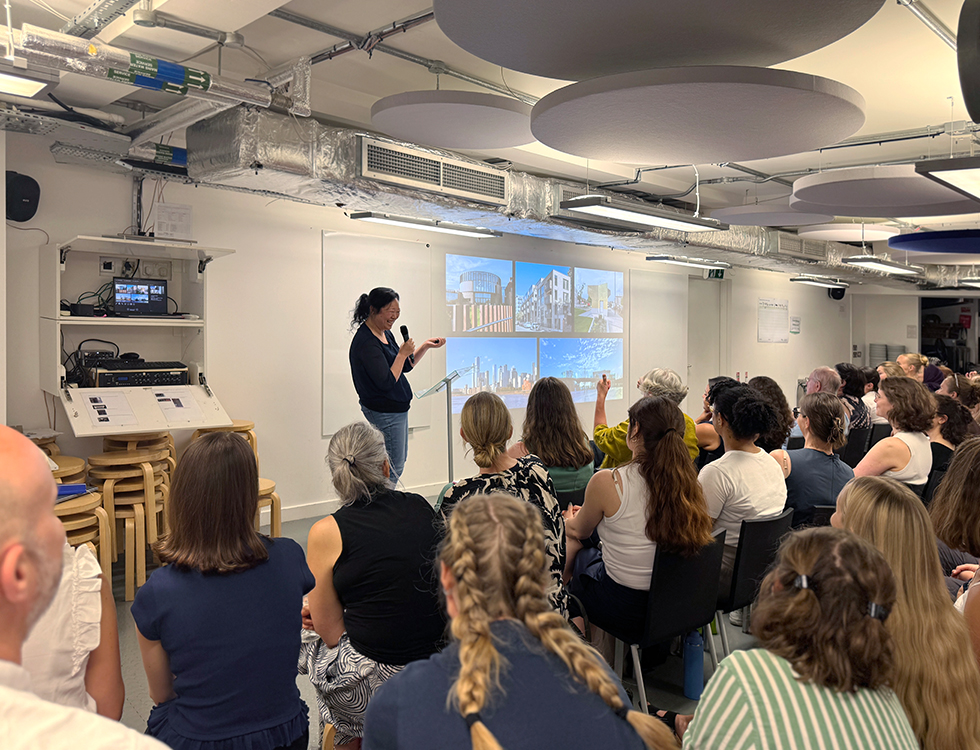
Anna Wai, Partner at Price & Myers since 2023, took to the mic third. She described first being drawn to engineering after visiting the University of Bath and seeing a group of students leaving the engineering building with a model, looking very pleased with themselves. A small moment, but one that clearly stuck. At university, only around 8% of her course were women, but she described the course as social, collaborative and full of joint design projects. Joining Price & Myers opened up an even wider world of engineering, including the kind of unusual structures that make you realise just how broad the profession can be.
Anna shared reflections on returning from maternity leave, taking on challenging projects, and continuing to say yes to opportunities. Her project work has ranged from restorations after major fires to large cantilevering balconies, university buildings, science institutes and even a hadron collider.
Her reflections kept coming back to curiosity, openness and support. Saying yes matters, but so does having people around you who encourage you, advocate for you, and make it possible to take on the next thing. When asked how Price & Myers is doing when it comes to women in engineering, she noted that while there is much to be proud of in recruitment and early-career representation, the work is not finished. One positive sign is that women who leave the practice often stay in engineering, moving on to new companies and challenges rather than leaving the profession altogether.
What the industry is getting right, and what still needs work
As is often the way with events like this, the Q&A could easily have gone on twice as long. Questions ranged from what advice our panellists would give their younger selves, to what the industry is improving, what practices still get wrong, and how inclusion work should be resourced.
There was some optimism. Shared Parental Leave (SPL) is becoming more common, flexible working is far more normal than it was, PPE designed for women is more widely available, and there are, finally, women’s toilets on more sites. Small things matter. If the basics of a workplace are not designed with everyone in mind, people notice.
There were also reminders of how much still needs attention. One discussion touched on the physical realities of site work, including details that can unintentionally exclude, such as standard rebar spacing being difficult to walk across for those with smaller feet. Another point focused on the way women can be singled out, even through apparently well-meaning comments, such as someone stopping themselves from swearing “because there’s a woman here”. The intention may not be hostile, but the effect can still make someone feel like they don’t quite belong.
Someone asked who in the room had experienced inappropriate behaviour on site or in meetings, and over half of those present raised their hands. Some shared examples of behaviour being challenged directly or addressed afterwards by setting clear boundaries.
One specific example, raised by a contractor in the room, which is being shared with permission, centred around working in close proximity on site. She found that the men on site were consistently moving her by her waist when trying to get past, whereas with their male colleagues they would touch each other on the shoulder. This led to a feeling of being very overwhelmed on site after long days of having her personal space encroached upon. After discussing with some female colleagues, she decided to raise it with the foreman, though she wasn’t sure how it would land. It led to a very productive discussion, in which they both realised that he was doing it subconsciously, perhaps because the main women he encountered were romantic relations. He then took this away and discussed with his male colleagues, and it led to a collective change in behaviour.
Others spoke about the importance of managers and colleagues stepping in, backing people up, and making it clear that inclusion is not solely the responsibility of those most affected by exclusion. That point came up again when discussing inclusion work more broadly. Too often, this work is taken on by the same people, on top of their day jobs, because they care about it. But if businesses benefit from more inclusive cultures, then businesses need to make space for that work during working hours. Otherwise, it risks becoming unpaid labour, which is both unsustainable, and undermines the very progress we are trying to make.
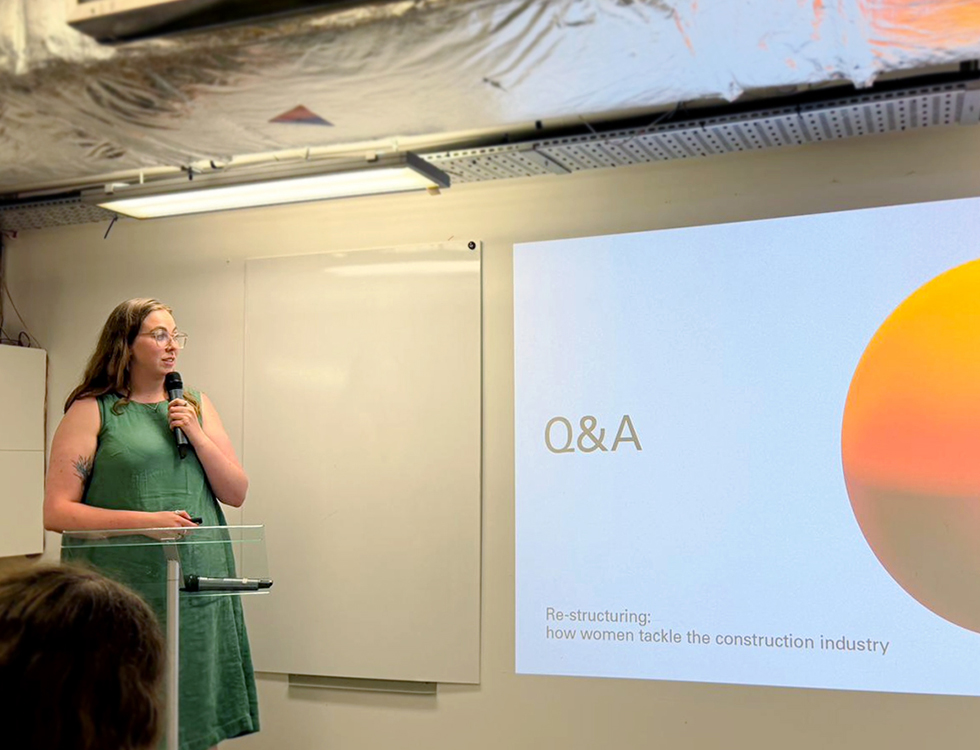
We also talked about imposter syndrome, and how disproportionately it seems to affect women. A useful reminder from the discussion was that nobody knows everything. It is healthy for senior people to ask questions, admit when they are baffled, and show that learning is part of the job. If you are in the room, you have been invited there for a reason - you may not have all the answers yet, and that is fine.
Another discussion looked at Shared Parental Leave, which has the potential to reduce the expectation that childcare should be covered predominantly by mothers. This should have knock-on effects in recruitment, as both the mother and father have equal rights to taking extended leave, removing some potential for unconscious bias. Unfortunately, HMRC data shows less than 5% of eligible fathers use SPL, and those that do are disproportionately from the highest income families. At Price & Myers, enhanced benefits are offered, and there has been a huge take up of fathers taking their SPL, including at Partner level. Unfortunately, the enhanced support is not something that all firms can offer, and particularly in the architectural industry, which is made up of many small firms, this financial commitment might not be possible.
Another topic, which was only touched on at the event but expanded more upon in conversations both before and after, is the effect of the so called ‘sandwich generation’. Sandwich carers are those with dual caring responsibilities for dependent children and adult relatives, and this is something that affects all genders. I have since reviewed the data from the Office of National Statistics - over 80% of sandwich carers were aged between 35 and 54 years old, and of these, just over 60% are women. When asked about how this additional care load affected their work, a third of people reported that the additional care load meant they were unable to work at all, and this number increases to 45% when only considering those caring for 20 hours or more per week. There is no simple solution to this, but, alongside the other issues discussed, it does add some context to the mid-career drop off seen in the Engineering Council data.
Who was in the room - and who wasn’t
It is also worth reflecting on who was in the room. Most attendees were women, and more than 60% were architects. The small number of men present was not lost on me, and it’s something I have been thinking about since. There is a lot of uncertainty across the industry, and more broadly, on the role of men in conversations about gender equality.
I spoke to a few male colleagues afterwards and found that they were genuinely not sure whether they were welcome, or if attending would take a seat from a woman who wanted to be there. It was a well-meaning concern, but it is also something worth addressing. The burden of creating more inclusive places, both at work and elsewhere, is a burden that often falls to the minority group. Making the industry more welcoming to women is not something that women can or should have to do alone - the majority group needs to acknowledge responsibility and help drive change.
Keeping the conversation going
The evening did not produce a neat list of answers, and it probably would have been suspicious if it had. These are complex, long-running issues, that cannot be solved by one event. But events like this do create space: to compare notes, to hear what other practices are doing, to challenge assumptions, and to remind people that they are not navigating these things alone.
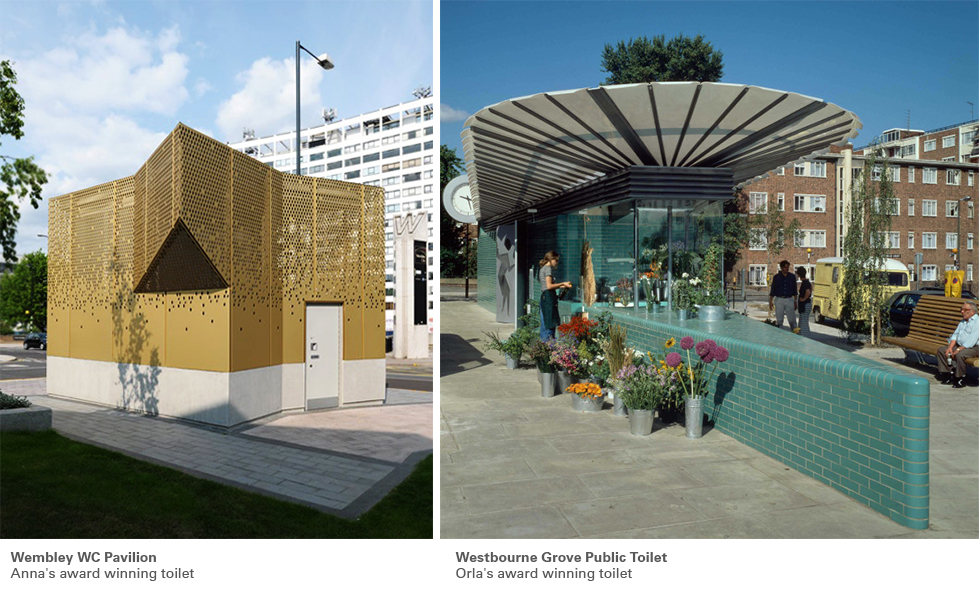
The most encouraging thing was the people in the room and their willingness to engage with topics so thoughtfully. The conversation was honest, occasionally funny, sometimes uncomfortable, and, I think, all the better for being all of those things. It also notified me of the importance of having an award-winning toilet project in my portfolio. Apparently, every good engineer needs one, so if any architect reading this comes across one, please send it my way!
International Women in Engineering Day is a celebration, but it is also a reminder to look at who enters the profession, who stays, who progresses, and what kind of culture we are asking people to work within. If this event showed anything, it is that people are ready to keep having the conversation. Ideally next time we will have enough time for all the questions – and hopefully, a few more men in the room.