At the library of St Johns College, Oxford, structural failure to the Canterbury Quadrangle columns - which had been an ongoing issue over the centuries since its construction – presented a challenge that repair alone could not resolve. Working within a Grade I listed building, and in one of the most important quadrangles in Oxford, the project required careful material selection – identifying a stone that could appropriately reflect the character and integrity of the original Bletchingdon marble, which is no longer available.
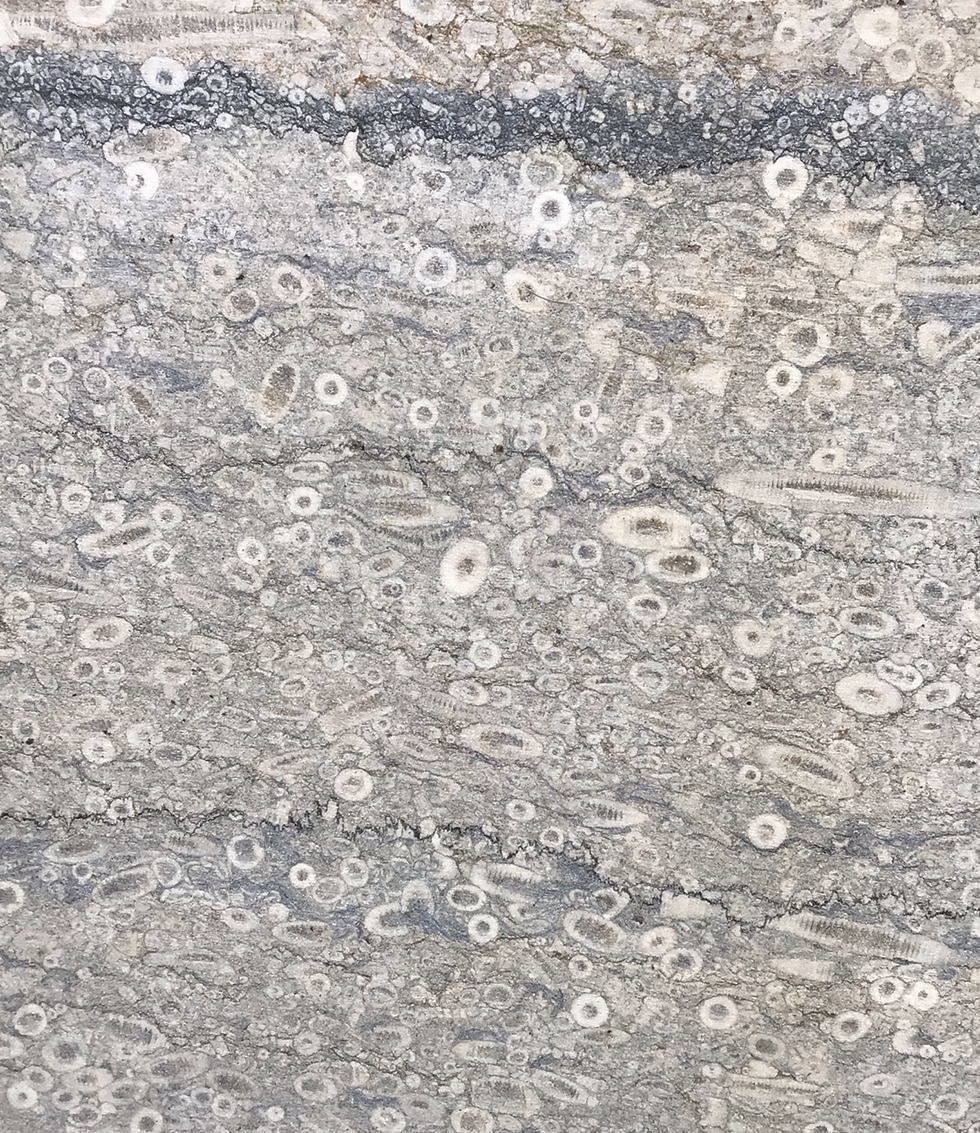
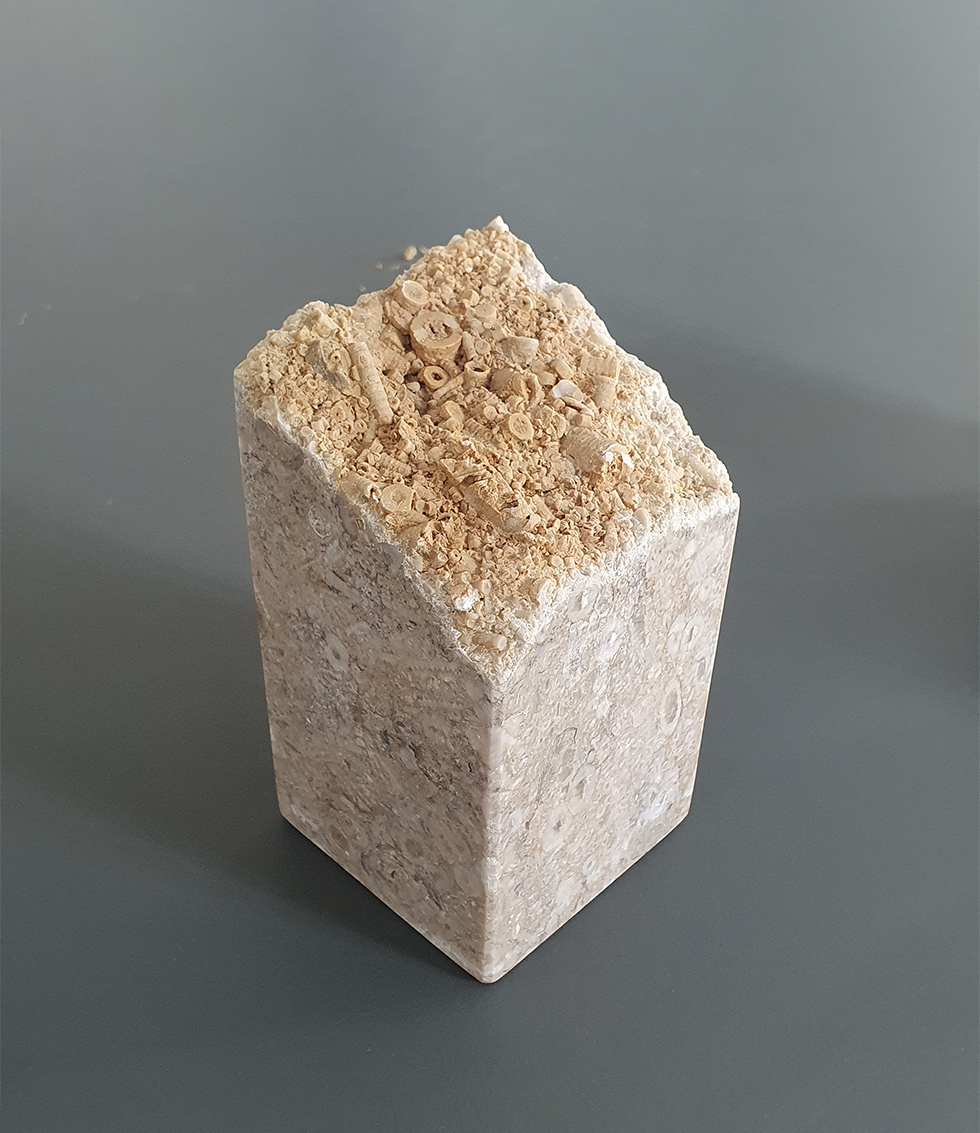
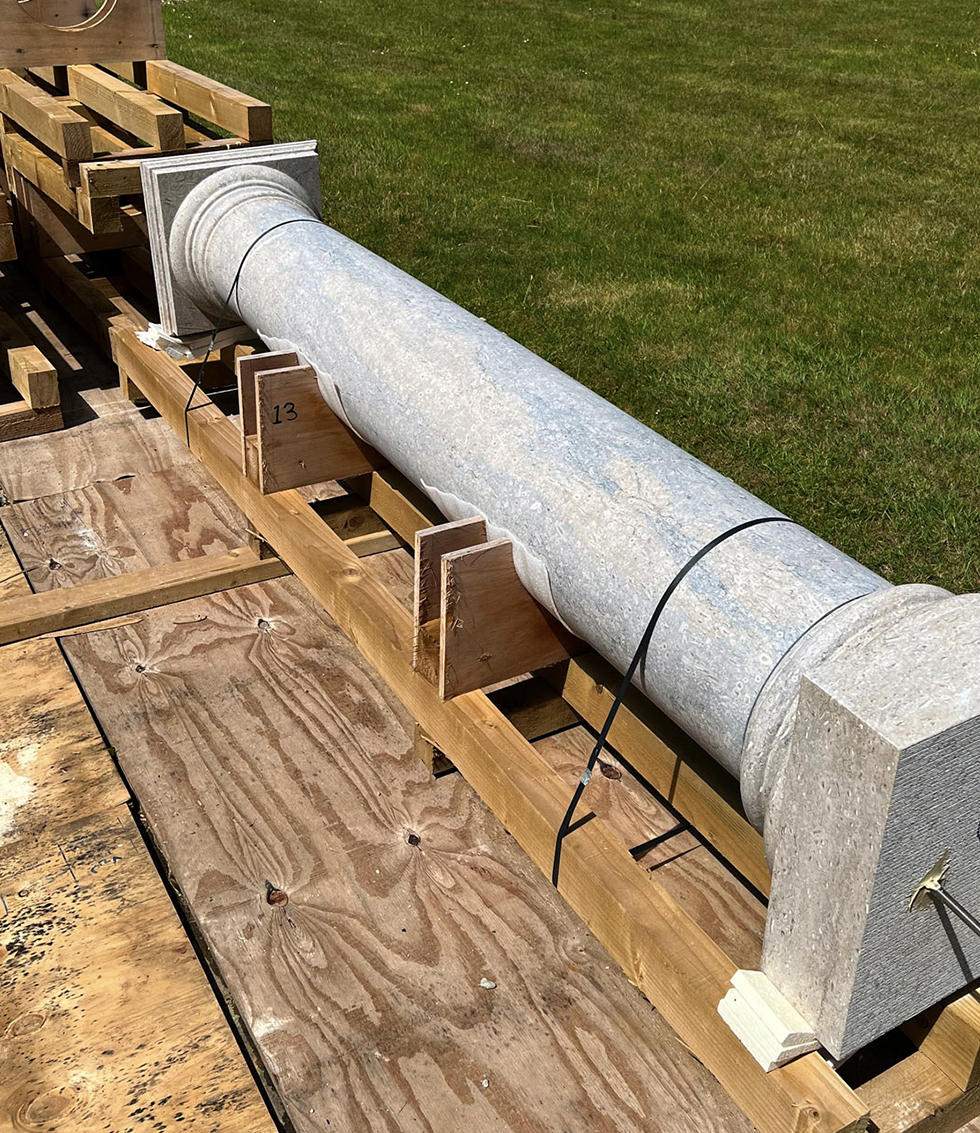
Investigations led to the selection of Swaledale Fossil Limestone, a dense Carboniferous limestone from North Yorkshire with a long record of performance in significant historic buildings, including York Minster and Durham Cathedral. Its high compressive strength, durability, and resistance to weathering made it well suited to the structural and conservation demands of this context. The stone's Crinoidal composition – formed over 350 million years ago – is revealed through polishing, giving the finished columns a material richness that respects the character of the original fabric
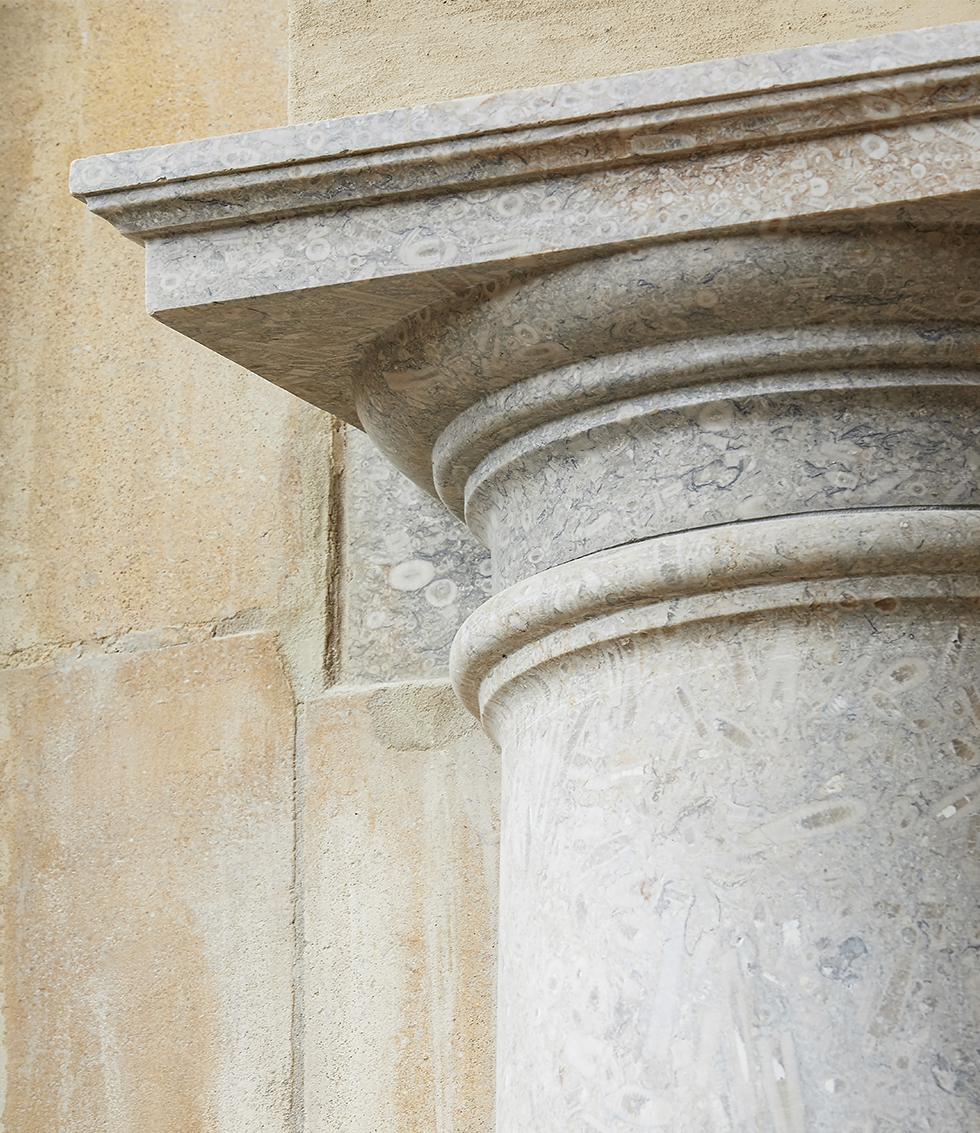
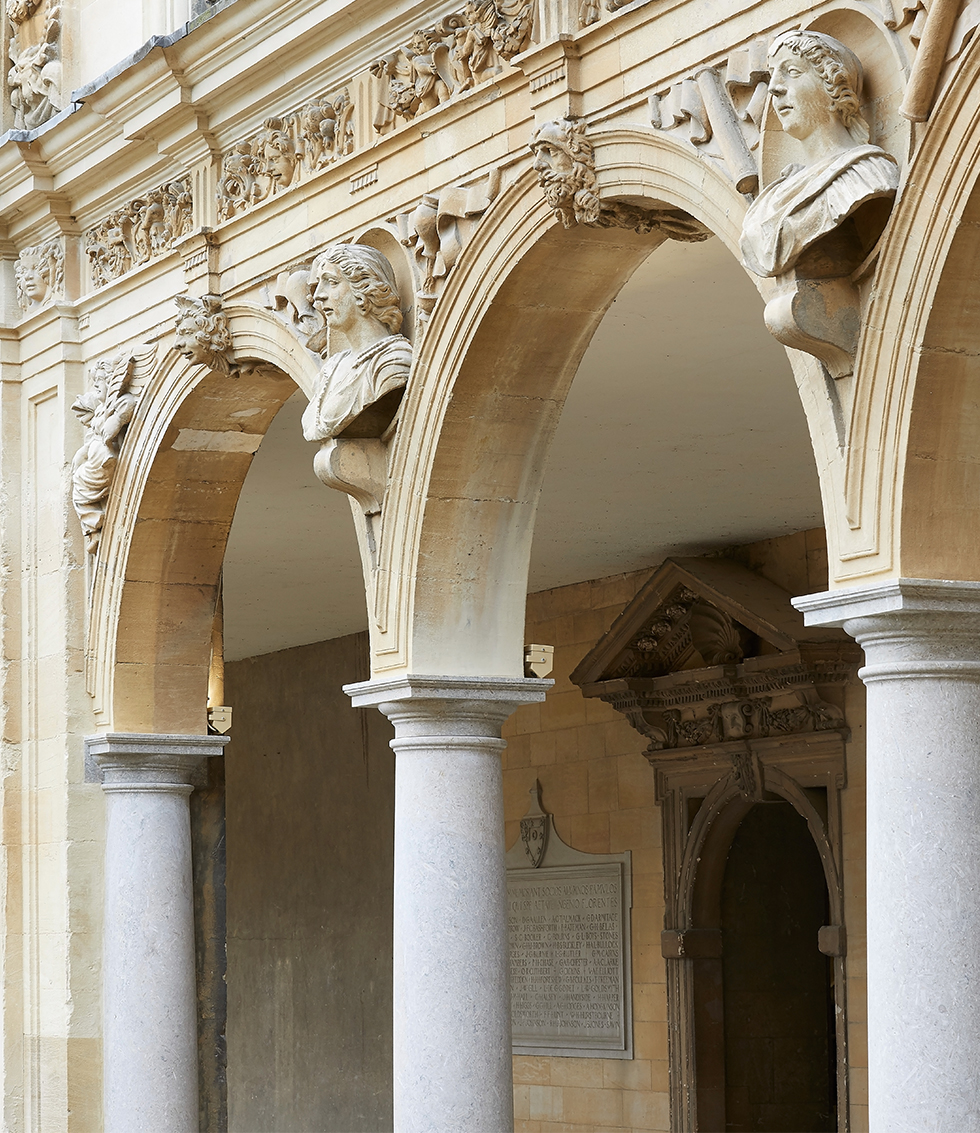
As Swaledale Fossil Limestone had not previously been used in Oxford, approvals were sought from both Oxford City Planning Department and Historic England before the material could be specified. Working closely with Wright & Wright Architects, Dunhouse Quarry (Britannicus Stone), Beard, stone specification specialist Dr David Jefferson, and stonemasonry specialist Szerelmey, the stone was quarried, blocks selected and cut, the shafts worked to the exact shape of the originals and then highly polished and finished by hand. Careful temporary propping and movement monitoring were installed before the columns could be replaced in a careful sequence to ensure the future of the quadrangle in the form it was originally intended.
Photos: Wright & Wright Architects, Hufton + Crow.
