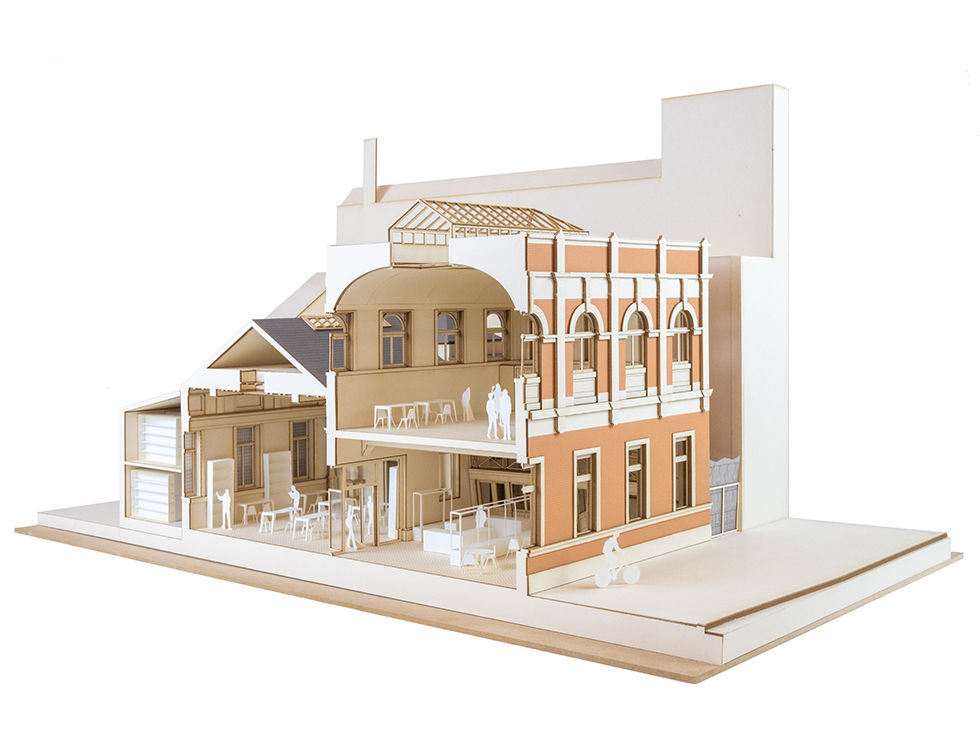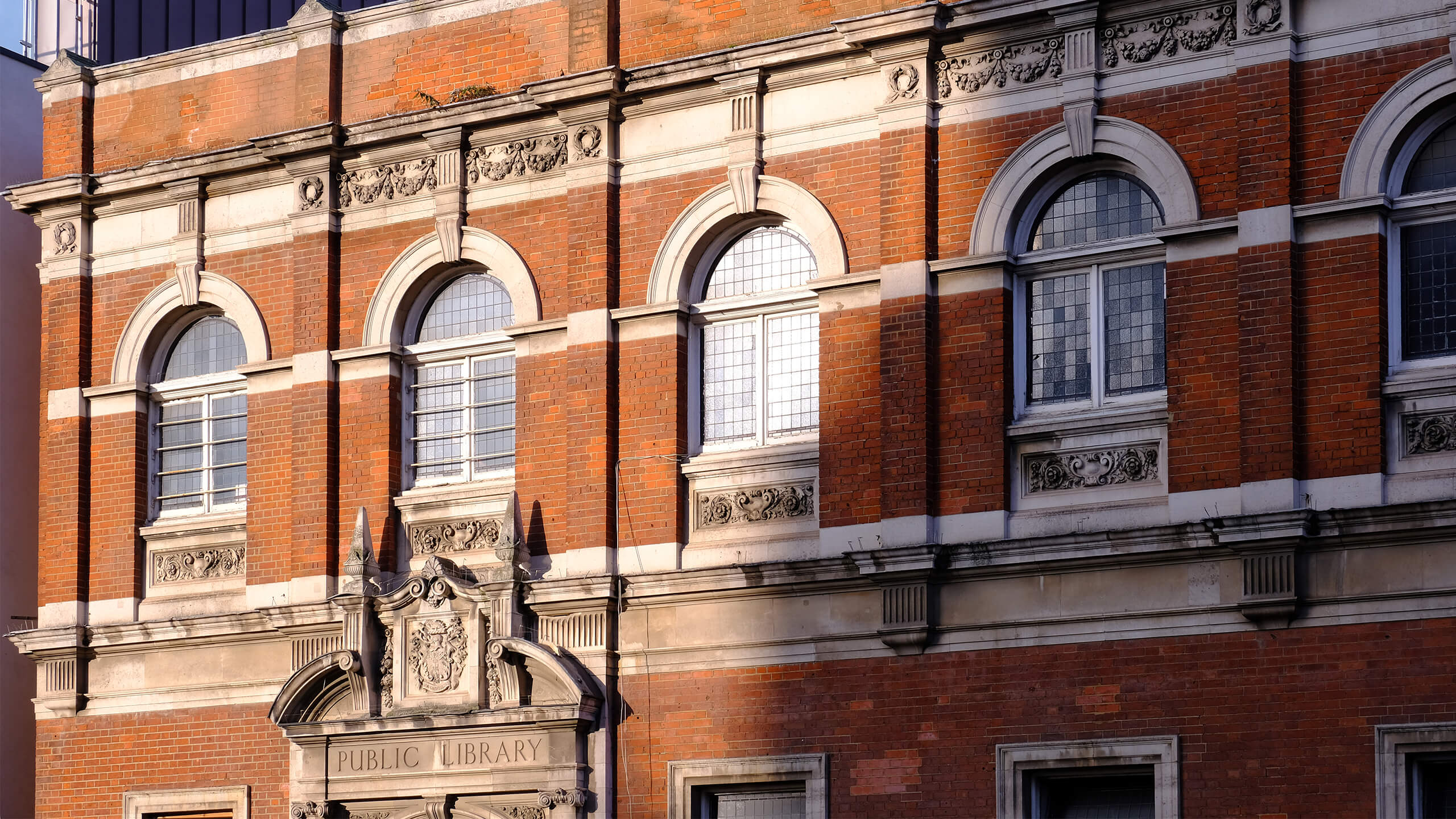
Canning Town Old Library is being transformed into the London Borough of Newham’s new Heritage Centre. The Grade II listed building is being restored and adapted to create a cultural hub with offices, reading rooms, exhibition spaces, a café, and areas for learning and outreach.
Price & Myers provided both structural and civil engineering services for the project.

Historic significance
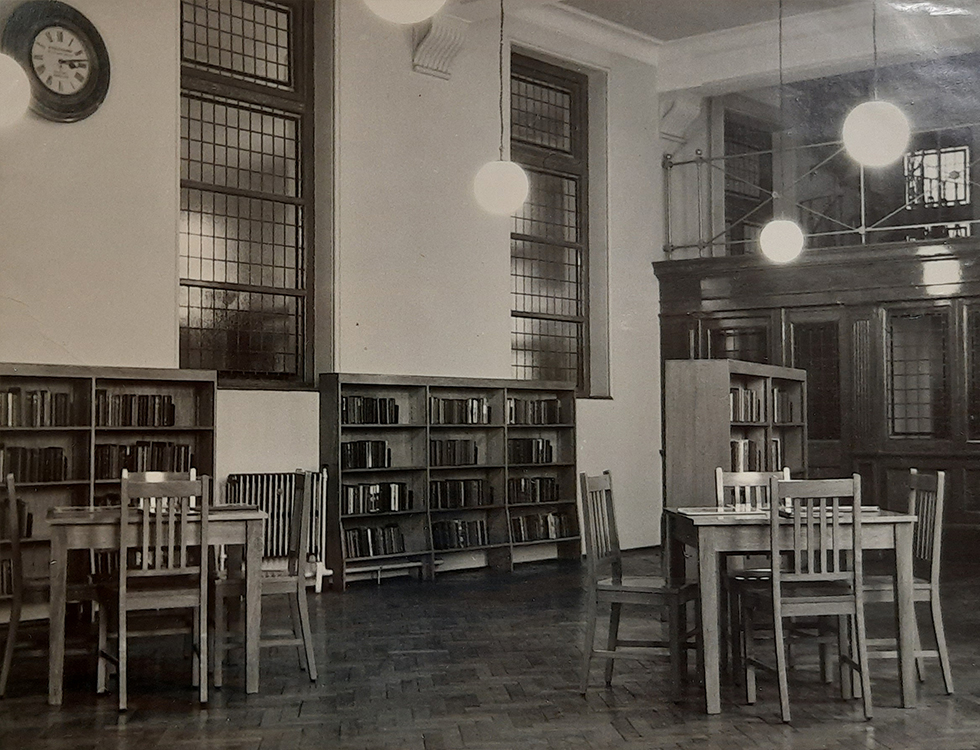
Built in the 1890s as part of West Ham’s civic expansion to designs by engineer and architect Lewis Angell, the library stands on the north side of Barking Road. It is recognised for its Italianate architecture, decorative stonework, and original interior features, including large double-height spaces. Over time, it has served as a library, public hall, and community centre, hosting events that reflect the social and political life of East London.
The building is predominantly loadbearing brickwork, with a mixture of solid and timber floors and early steelwork used to achieve large spans. It is thought to have suffered bomb damage during the Second World War, when the original hipped roof and cupola were lost. These were replaced with a flat asphalt roof supported on an early form of hollow-core concrete planks – an example of the mass-produced, prefabricated building components that became common in the mid-20th century. A large iron roof lantern was included in the replacement construction.
Restoration and retrofit
The redevelopment balances conservation and reuse principles with modern requirements. Essential fabric repairs are being carried out alongside major upgrades to improve energy efficiency, including insulation, new windows and rooflights, solar panels, air source heat pumps, and mechanical ventilation. This marks a significant step forward for a building that was among the first in the borough to be lit by electricity generated on site by gas engines.
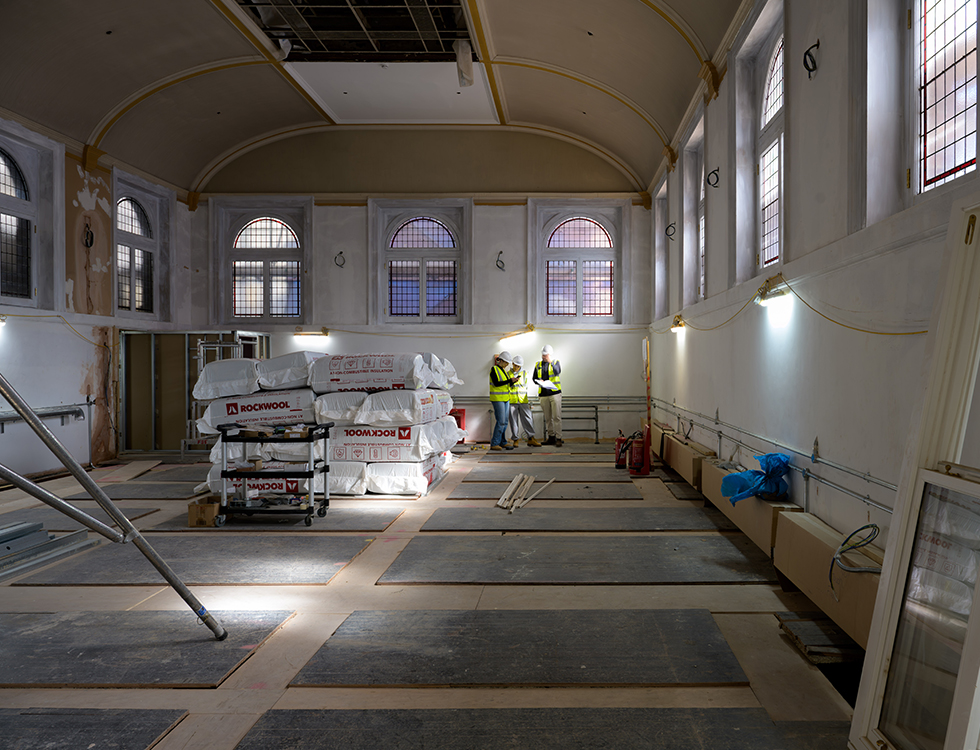
Refurbishment works to the main library
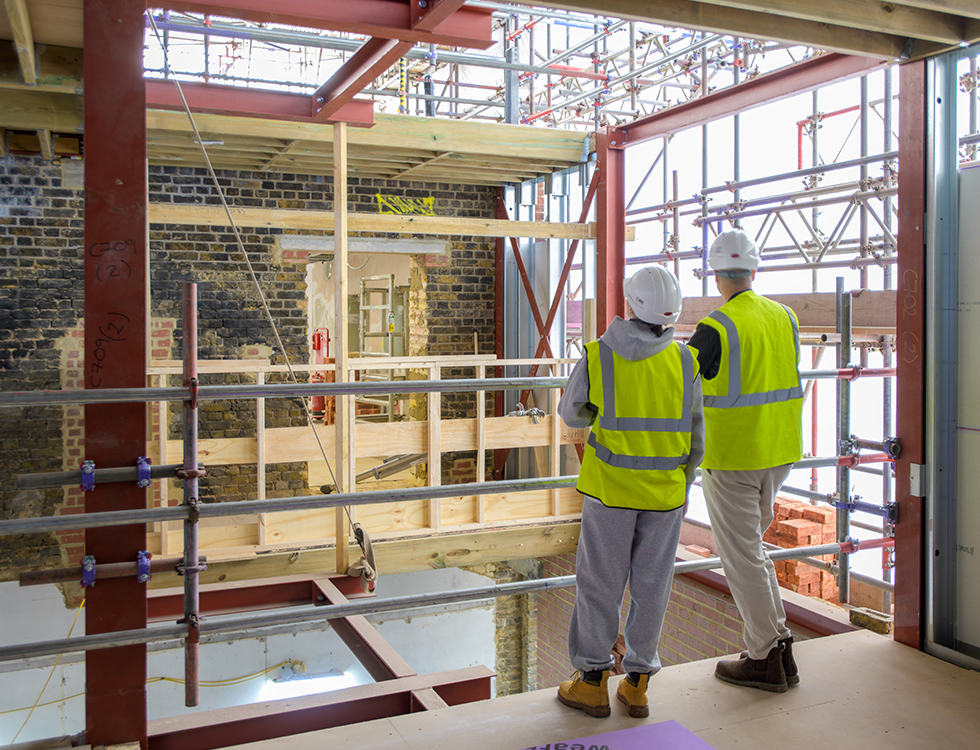
Structural works in the main library involve rationalising the upper floors by removing awkward split levels and introducing a new full-height lift serving all areas. One challenge was constructing the lift pit below groundwater level. In addition to trial pits to investigate the basement footings, a trial excavation was commissioned to the full depth of the proposed lift pit to confirm feasibility.
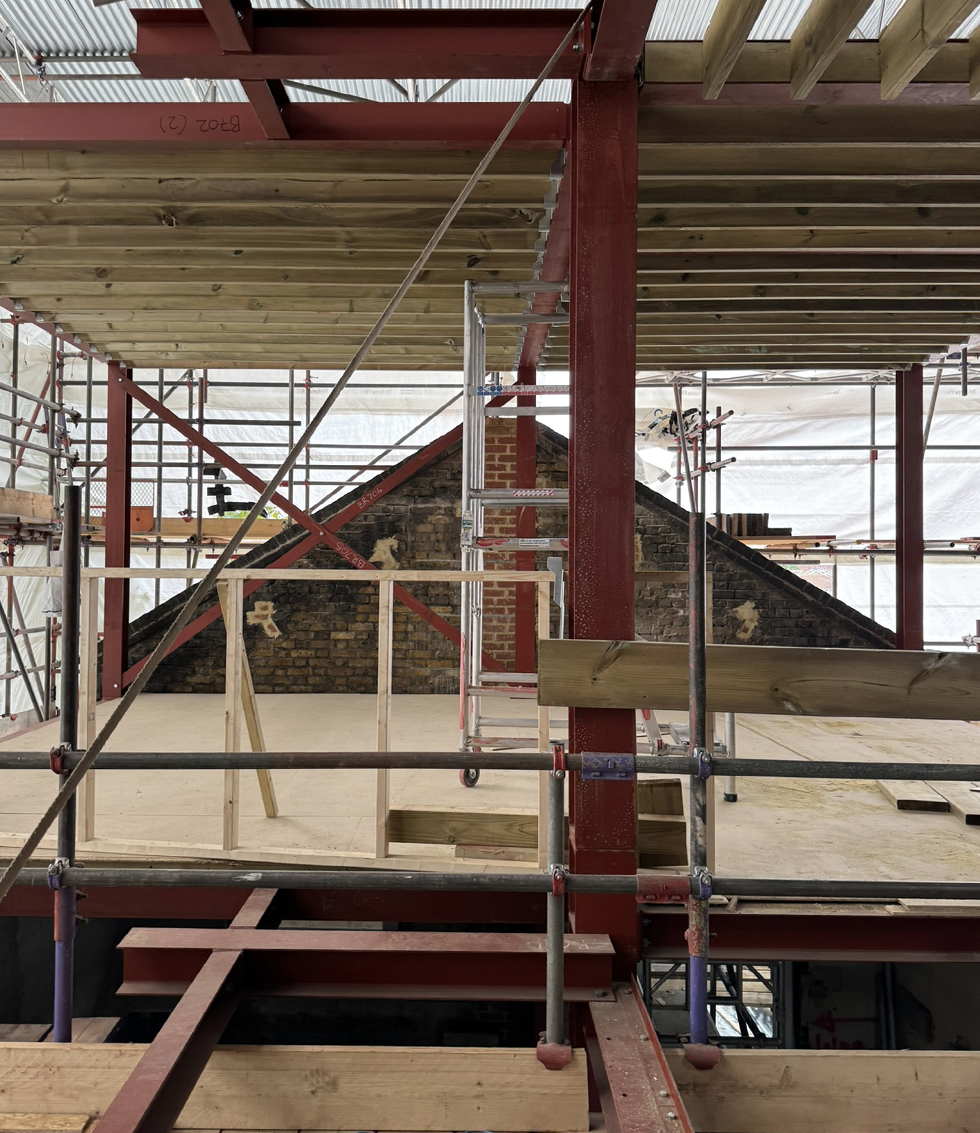
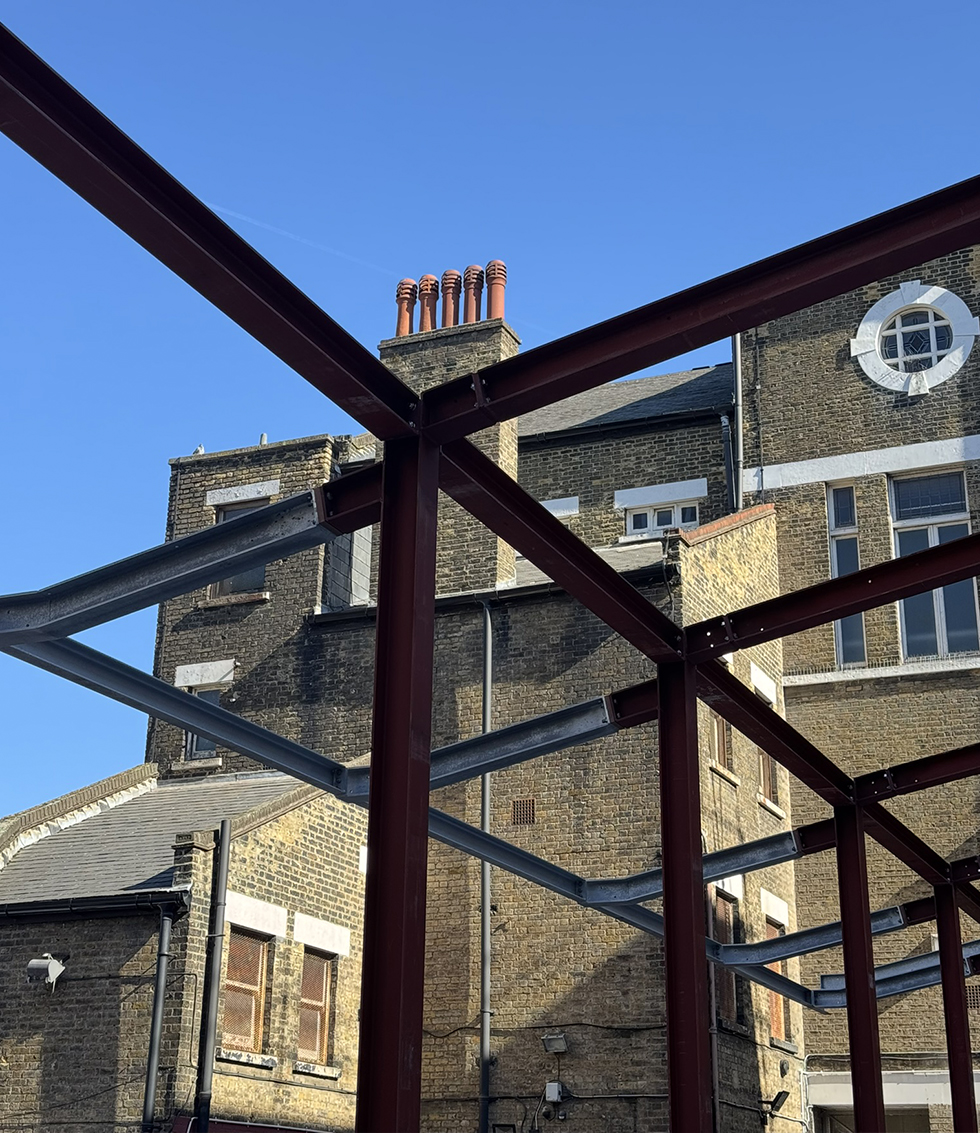
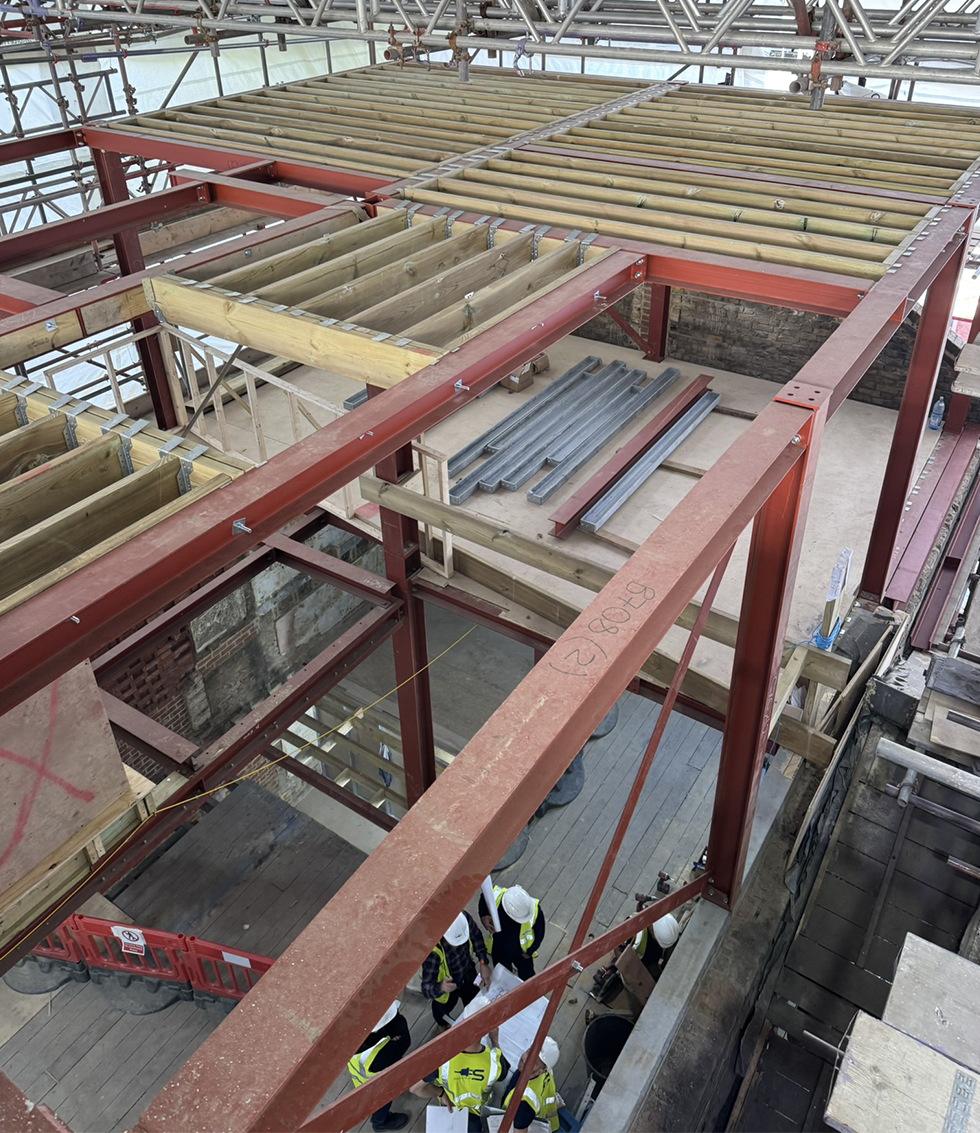
A lightweight braced steel-framed vertical extension is being added over the large rear annex.
This involves demolishing a 1940s pitched roof and replacing it with a flat timber-joisted structure to support mechanical and electrical equipment. The new flat roof incorporates large rooflights, bringing natural light down through the stairwell and into circulation spaces deep within the building.
Extensive investigations into the existing structural elements were carried out to assess capacity, justify change of use, and target strengthening strategies. Together, these measures will extend the life of the building.
The archive store extension
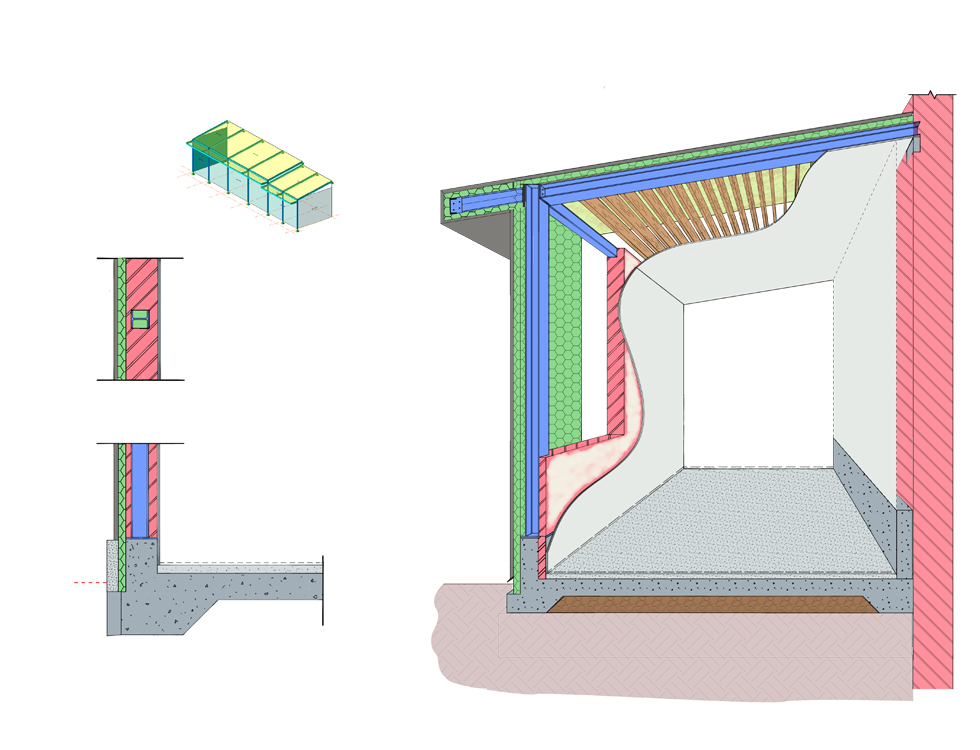
A new full-width extension is being built along the northern side of the library to house the borough’s archive and museum collection. It replaces a smaller extension that had suffered severe subsidence. The new Archive Store is designed as a high-specification, climate-controlled, airtight space, with double-height roller racking systems to maximise storage capacity. These racking systems have strict deflection limits, requiring a suitably stiff substructure.
Given the very poor ground conditions around the adjacent basement, and the subsidence history of the earlier extension, the new building is supported on a reinforced concrete piled slab with a portalised steel-framed superstructure. An upstand around the Archive Store provides flood protection for the building’s contents.
A detailed finite element analysis of the floor slab enabled accurate design loads to be determined for each pile, allowing pile lengths to be fine-tuned and minimising concrete use. Up to 70% GGBS cement replacement was also achieved, producing a more environmentally responsible concrete mix.
Civil Engineering
CCTV drainage surveys carried out before works began revealed that the existing network was in poor condition. While the original connections to the public sewer could be retained, the rest of the site’s drainage was rebuilt. This allowed the system to be optimised in line with the new development.
New areas of permeable paving were introduced to promote infiltration and reduce discharge rates to the sewer.
Designing the basement drainage presented particular challenges due to high groundwater levels. To reduce excavation at this level, a bespoke concrete pit was constructed to house both the foul water and cavity drainage pumps.
Completion
When complete, the Heritage Centre will combine the building’s Victorian character with modern infrastructure and facilities, supporting a wide programme of cultural and educational activity. The project is currently on site and scheduled for completion in 2026.
Structural Embodied Carbon Estimate = 133tCO2e
Equivalent to an intensity of 120kgCO2e/m²