Insights

Climate Action Team


Since our founding in 1978, sustainability has been central to how we work. While the tools and metrics have evolved, our principles remain constant: to design structures that minimise carbon, stand the test of time and create lasting value for people and the planet.
From the simplest detail to the most ambitious structure, we engineer with creativity, integrity, and a commitment to sustainable design.
Our goals are shared
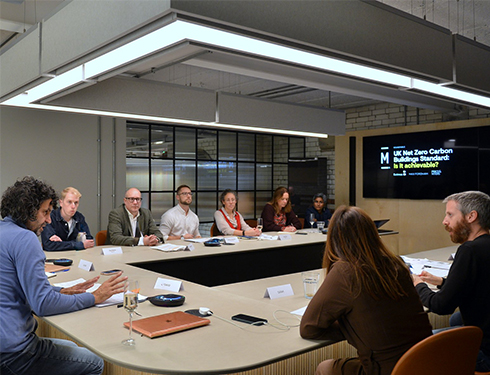
We aim to design low-carbon, long-lasting buildings that maximise material reuse and bring long-term benefits to local communities and the environment. But it's bigger than us. We champion collaboration across the industry, align with global standards to combat greenwashing, and lead the UK construction industry in our collection and open sharing of embodied carbon data. These figures have informed benchmarks and embodied carbon targets for several industry bodies, including the Institution of Structural Engineers, BECD, and the UK Net Zero Carbon Building Standard.
Designing with reuse in mind
Material reuse has been part of our practice since the beginning, when Sam Price and Robert Myers launched a steel beam reuse competition. Today, we bring wide experience in reusing timber, concrete and steel, and the confidence to recommend reuse wherever it helps cut carbon and reduce material use.
Keeping design lean
Computational design is at the core of our approach. It allows us to thoroughly test structural options rapidly and make informed choices early. But lean design isn’t always about scale - it can be as focused as optimising a single beam or as ambitious as rethinking entire systems. By combining simple, elegant ideas with advanced digital tools, we keep our designs efficient, adaptable and low-carbon.
Conservation that endures
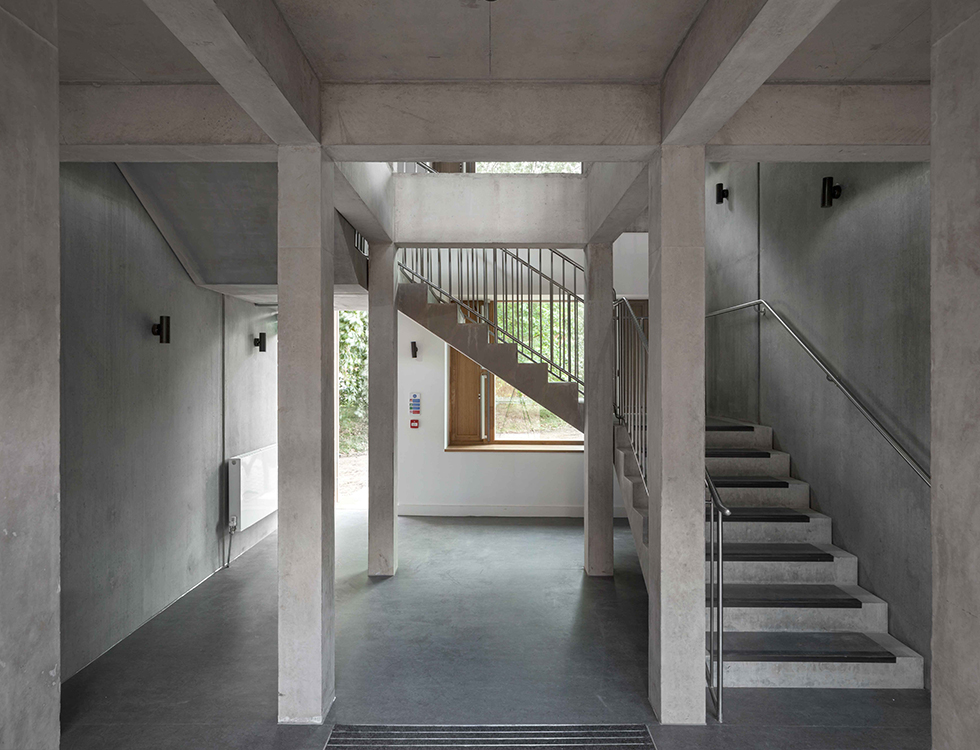
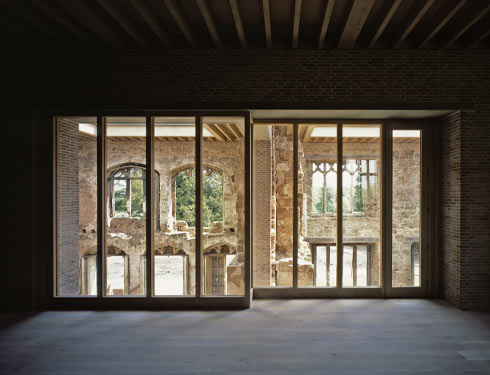
Building conservation is sustainable by nature, and we work hard to protect and extend the life of any culturally significant structure. We take time to understand what’s there, how it can be adapted, and how it can leave a positive legacy. Our work includes some of the UK’s most treasured historic buildings - from Astley Castle and Westminster Abbey to the National Portrait Gallery and the Courtauld.
Data that drives change
We’re committed to cutting embodied carbon across all our projects – and to holding ourselves accountable. Since 2021, we’ve published one of the world’s largest databases - Price & Myers Embodied Carbon Database - covering hundreds of projects. It shapes early design decisions, and by sharing it openly, we’re helping the whole industry tackle the climate emergency together.
Designing resilience through water
From green to grey, we help design teams choose the most effective drainage solutions - balancing carbon, cost and environmental impact. We work closely with clients to identify risks early and design systems that build resilience. Our SuDS designs are always completed with the future in mind.
Leading with Passivhaus
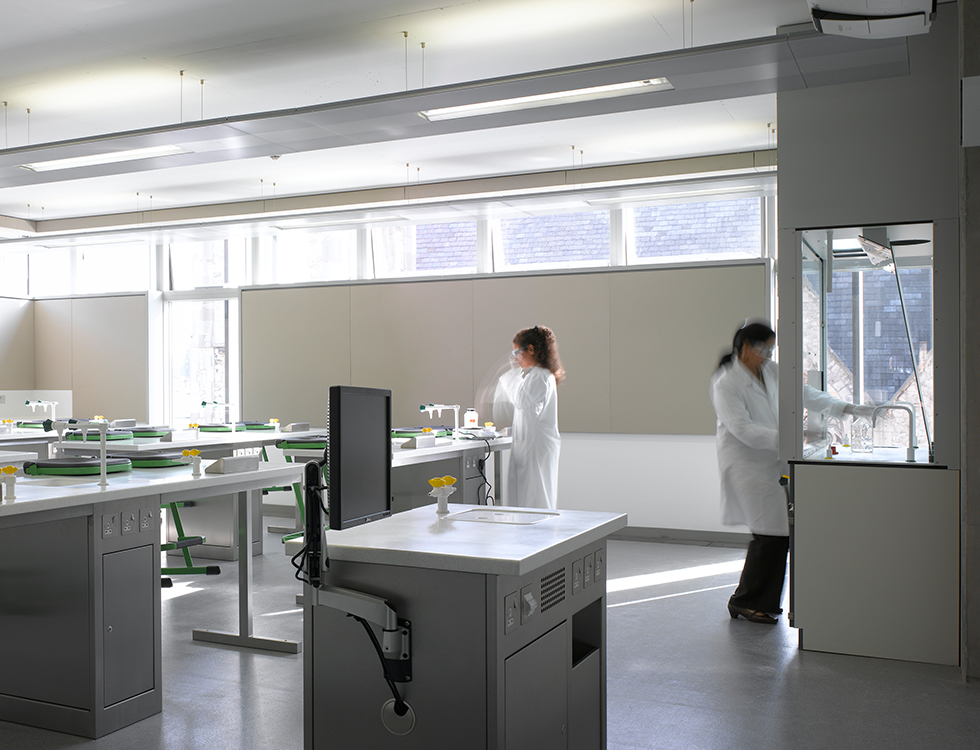
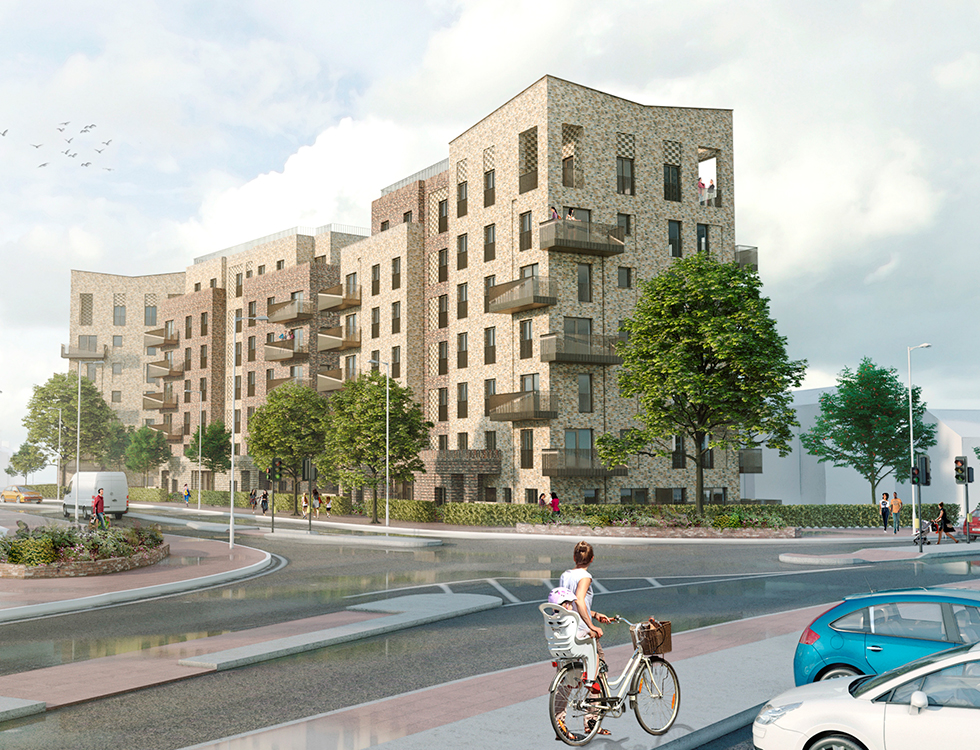
We’ve been at the forefront of Passivhaus design for over a decade, delivering a series of UK firsts. These include the country’s first Net Zero Carbon-certified Passivhaus home, the first Passivhaus primary and secondary schools, the UK’s largest Passivhaus residential project, and the first Passivhaus Plus commercial building. Passivhaus sets the benchmark for energy efficiency and comfort, and we see it as a proven route to delivering buildings that are truly sustainable in use.
PANDA powering progress
Developed with the University of Cambridge, our PANDA tool can cut embodied carbon in new-builds by up to 40% - while also reducing costs. By generating thousands of structural options in moments, PANDA makes early-stage analysis fast and robust, helping to lower environmental impact from the outset.


2025 RIBA Stirling Prize – winner – Appleby Blue Almshouse
2025 Cambridge Forum for the Construction Industry (CFCI) Award – David Mackay Award for Engineering & Sustainability – High Commended – Mill Lane
2024 AJ Retrofit & Reuse Awards – Private/Individual Renovation (up to £1 million) – winner – Aden Grove
2024 AJ Retrofit & Reuse Awards – Fit-out (£2 million and over) – shortlisted – The Marlo
2024 AJ Retrofit & Reuse Awards – Positive Addition (£5 million and over) – shortlisted – Young V&A
2024 AJ Retrofit & Reuse Awards – Private/Individual Renovation (£1 million and over) – shortlisted – Hampstead House
2023 Green Good Award for Green Architecture – winner - BAFTA
2021 RIBA South Sustainability Award – winner – Bicester Eco Business Centre
2020 Civic Trust -– Special Award for Sustainability – Cambridge Central Mosque