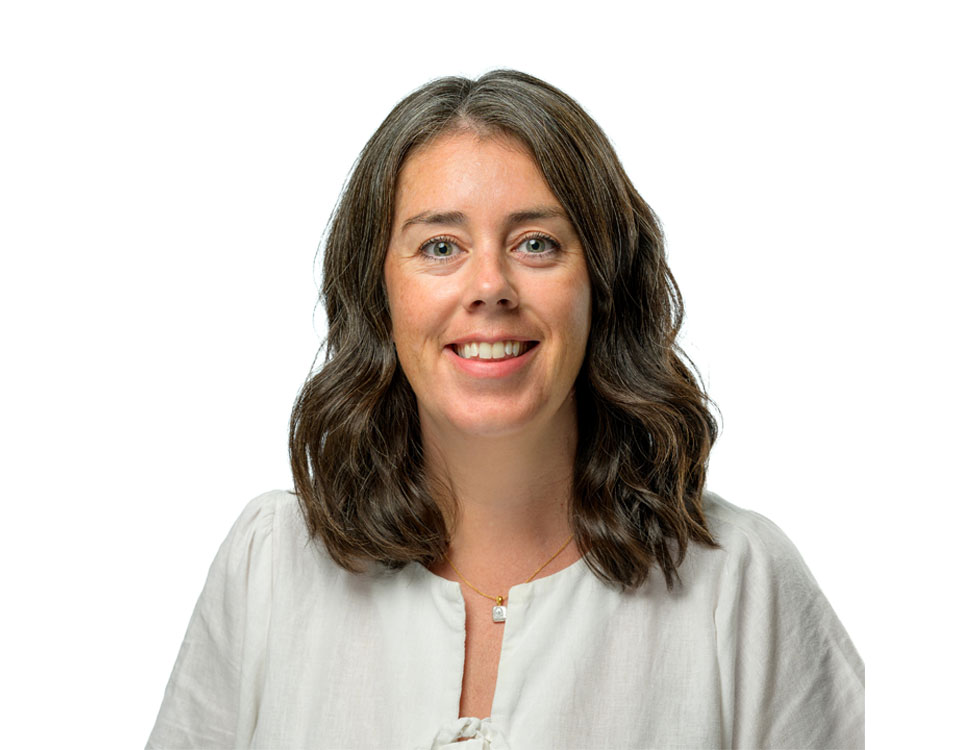
By Sarah Baigent, Structural Engineer, Price & Myers
In July, we held a panel event to mark International Women in Engineering Day. Despite falling on one of the hottest days of the year, we had a great turnout, and it was clear there is a strong appetite for this discussion across the built environment. Now that the weather has cooled, it felt like the right time to pick up the conversation again.
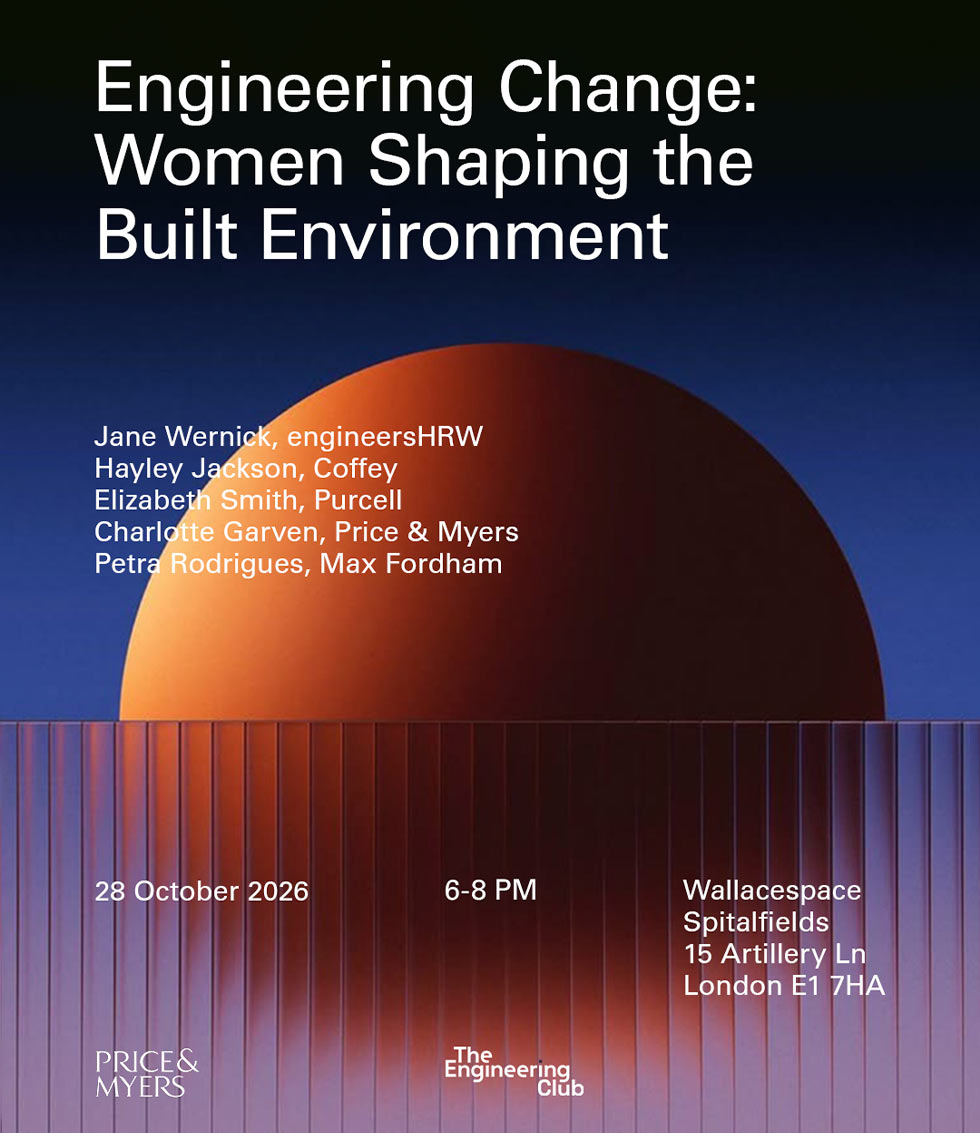
One of the strongest pieces of feedback from the previous event was how valuable it was to have a genuinely cross-disciplinary discussion. Too often, we only consider these issues within our own professional silos rather than across the industry as a whole. So, to broaden the audience further, we partnered with the Engineering Club and brought together an excellent panel representing a range of disciplines, career stages and experiences.
Elizabeth Smith, Purcell
Liz has been Chair of Purcell since 2021. She spoke with pride about the number of senior leadership positions held by women within the practice and the conscious effort made to achieve as balanced a gender split as possible.
She also highlighted several initiatives Purcell has introduced, including programmes to support mentoring and the establishment of a conservation school with a 50:50 gender split. A particular focus has been on succession planning and developing leadership qualities in future generations.
One message came through strongly: it is important to reach back and support those coming behind you, rather than pulling up the ladder.
Petra Rodrigues, Max Fordham
Petra reflected on several pivotal moments in her career, including moving country and changing professions from a fully qualified architect to a decarbonisation project manager at Max Fordham.
She spoke about learning to embrace discomfort and change, and how doing so had strengthened both her confidence and her career progression. Petra also touched on the tendency for women to feel they need to be overqualified before formally stepping into a role, despite often already carrying out many of the responsibilities involved.
The conversation also turned to mentorship. Whilst professional mentors can be incredibly valuable, Petra reminded us that support and guidance can come from many places. She spoke warmly about the influence of her mother and sister, who have been significant mentors throughout her life. It was a useful reminder that the people we rely on do not always come from within our profession.
Jane Wernick, EngineersHRW
Jane graduated 50 years ago and reflected that it was her work experience, rather than her degree course itself, that convinced her to remain in engineering. Of the three other female engineers in her cohort, she was the only one who stayed in the profession.
She shared examples of the barriers she encountered during her career, including the times she realised that her gender would limit her opportunities. Eventually she secured a secondment to a different firm, abroad and found that, upon returning, she was no longer treated as the junior member of the team. This follows a theme in which women often have to move companies in order to be fully appreciated for their contributions.
Jane spoke about how people often promote those who look and behave like themselves, and how organisational culture tends to follow the example set by leadership. We need the leadership and the make-up of the firms to reflect our diversity.
She also highlighted the importance of both formal and informal support networks, from multidisciplinary groups such as The Edge to founder communities where more experienced members provide advice and encouragement to those earlier in their careers.
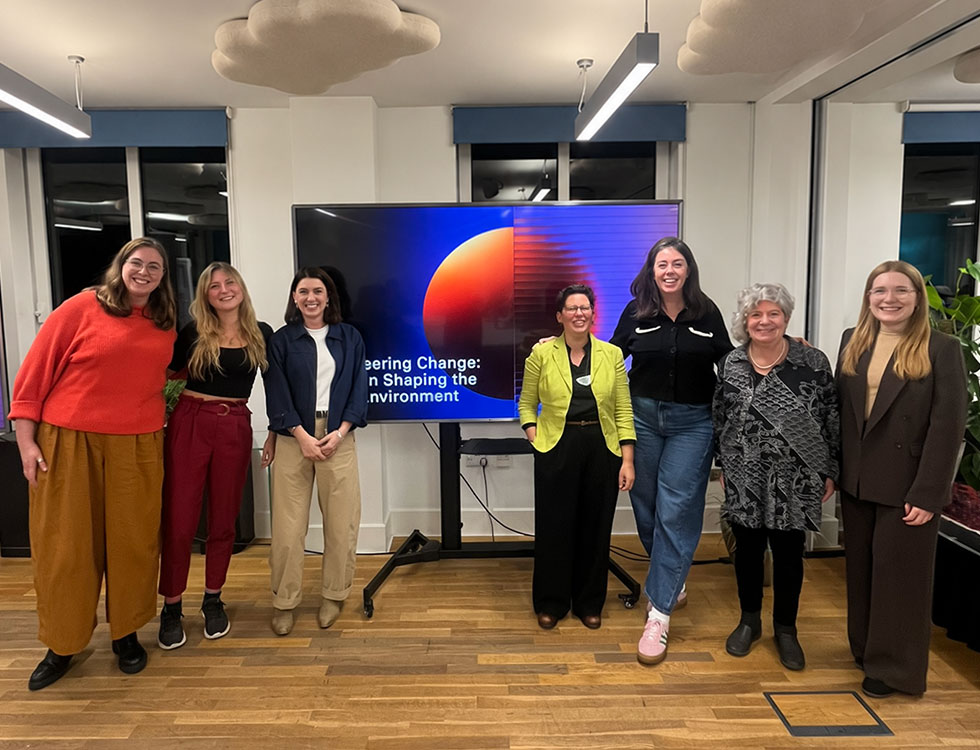
From left to right: Sarah Baigent, Price & Myers; Floss Willcocks, The Engineering Club; Elizabeth Smith, Purcell; Petra Rodrigues, Max Fordham; Charlotte Garven, Price & Myers; Jane Wernick, EngineersHRW & Hayley Jackson, Coffey
Hayley Jackson, Coffey
Hayley graduated in 2018 and spent almost five years as a site and section engineer with a Tier 1 contractor, working on major infrastructure projects before moving to a smaller contractor. The move came with an unexpected realisation: she was the only female in an engineering and delivery role in the UK business. Although the business has since grown by almost 500%, she remains the only woman in a senior technical delivery role.
Alongside her professional work, Hayley is completing the Construction Engineering Masters at the University of Cambridge. Her dissertation focuses on the structural and strategic influences affecting women's career progression in contracting.
One example from her research involved asking Microsoft Copilot to generate an organisational chart for a construction company. The resulting chart populated almost every technical role with older white men, whilst the only women appeared in HR and sustainability positions. She noted how closely this aligned with both her own experiences and her wider research. Whilst some organisations report high percentages of female employees, the picture can look very different when technical roles are considered in isolation.
Hayley also discussed examples where women were used as token representation. But also showcased positive examples of supportive leadership, including a manager who promoted a female colleague whilst she was on maternity leave because he believed in her ability to step into the role upon her return. That decision prevented her career progression from being delayed for a year.”
Charlotte Garven, Price & Myers
Charlotte began her talk by showing a photograph of Price & Myers taken three years after the company was founded. Every person in the image was a man. Charlotte laughed at how different the business looks today: her current team is 63% women.
Whilst this gives her cause for optimism, she did note that she was the only woman in her team holding a senior technical role. She described situations at work where being the only woman brought out insecurities, whether her position in certain bids was tokenism, questioning how she could demonstrate her value.
Charlotte also shared several personal experiences on site, which you’ll have to ask her about! Through the examples a recurring theme was illustrated, the discomfort of being singled out and the importance of the situations when colleagues have spoken out on her behalf. Her closing message was one of allyship and action: using the words made famous by British Transport Police ‘see it, say it, sorted’. She hopes that if anyone is in doubt about whether they should speak out, they should reach out to the person. In her experience sometimes the acknowledgement alone is enough.
Further Discussion
Changing to fit the culture
We often talk about how we can help women become more confident, speak up more readily and pursue new opportunities. An interesting question posed to the panel challenged whether the focus should centre less on changing women’s behaviour and instead push for changing workplace culture.
The panel's view was that culture must come first. Inclusive policies are important, but only when they support a genuine cultural shift. Done well, those improvements benefit everyone, not just women. One important point is that this culture shift needs to be lead from the top, with Partners and Directors, as culture is more likely to trickle down than upward.
There was also discussion around imposter syndrome. The panel noted that it is not exclusively experienced by women, although women may often feel more comfortable talking about it openly. Creating workplaces that support different personalities and communication styles ultimately benefits all employees.
Inclusion in smaller companies
A question was raised about whether inclusion is easier to achieve in larger organisations with more resources and dedicated support structures. This is a topic we also touched on at the last event, where we discussed the lack of overall take up in Shared Parental Leave (SPL), which you can read about here.
One aspect that was touched on was the fact that smaller, male-led companies can often face additional challenges in attracting women, particularly when prospective employees do not see female representation within the business. Once again, the discussion returned to culture. People are more likely to join organisations where they feel supported and represented.
The impact of remote working
Another discussion point was how the shift towards online meetings has changed the working environment.
Several panellists noted that remote working can make it more difficult to build professional networks, develop mentoring relationships and benefit from the informal conversations that have traditionally been an important part of the design and construction industries. It can also make it harder for some people to find the confidence to contribute.
At the same time, increased flexibility and the normalisation of working from home have been hugely beneficial, particularly for parents and carers.
Mentorship
When asked what to do if a mentoring relationship is not working, the response was straightforward: change mentors.
Mentorship is rarely a linear journey, and the support you need at one stage of your career may be very different from what you need five, ten or twenty years later. Finding the right mentor for your current situation is what matters most, and there should be no hesitation in seeking a different mentor if necessary.
Comfort versus confidence
The final discussion focused on confidence and why many graduates begin their careers feeling confident before gradually losing that confidence over time.
The panel drew a distinction between confidence and comfort. Confidence comes from within, although it can certainly be nurtured by those around us. Comfort, however, is heavily influenced by culture and environment.
Creating workplaces where people feel comfortable asking questions, speaking up and admitting uncertainty is something every organisation can strive for. In those environments, even people who do not naturally feel confident can still feel heard and valued.